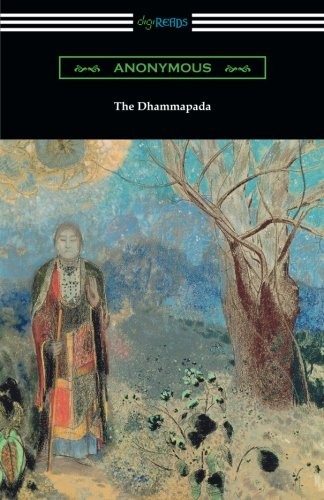
Talk to The Dhammapada like its author wrote you back.
Get the ideas that fit your life — not generic summaries.
- Chat with the book
- Audiobook-style main ideas
- Adapts to your life and goals
- Helps you take action
What it argues
The Dhammapada — Path of Truth or Path of the Dhamma — is the most widely read canonical Buddhist text in the world, a collection of 423 verses attributed to the Buddha and compiled from the Pali Canon. Organized into 26 chapters by theme, it covers the nature of the mind, the causes of suffering, the practice of virtue, and the character of the enlightened person. Its opening lines are among the most famous in religious literature: "Mind is the forerunner of all actions. All deeds are led by mind, created by mind. If one speaks or acts with a corrupt mind, suffering follows, as the wheel follows the hoof of an ox. If one speaks or acts with a serene mind, happiness follows, as a shadow that never departs."
The text proceeds with the simplicity and directness of proverbs, but the accumulated weight of the teaching is substantial. Suffering arises from craving, hatred, and delusion — the three fires of Buddhism. The mind untrained will drag the practitioner toward objects of desire or away from objects of fear, generating endless cycles of grasping and aversion. The trained mind sees things clearly, responds to circumstances without being captured by them, and gradually loosens the bonds of attachment.
What it gets right
- 1.
Mind is the forerunner of all actions: mental states determine the quality of experience, so training the mind is the most fundamental practice.
- 2.
Suffering arises from craving and aversion rooted in delusion about the self; liberation comes from releasing these patterns through practice and understanding.
- 3.
Ethics (non-harming, right speech, right livelihood) is not the destination but the foundation that makes mental training possible.
What it covers
Who wrote it
The Dhammapada is part of the Pali Canon, the scriptural collection of Theravada Buddhism. The verses are attributed to the historical Buddha, Siddhartha Gautama (c. 563–483 BCE), and are thought to reflect teachings from multiple periods of his ministry. The text was transmitted orally for centuries before being written down in Sri Lanka in the 1st century BCE. The name Dhammapada means "path of the dhamma" or "sayings of the dhamma." It remains the most commonly translated and read text in the Pali Canon and serves as an introduction to Theravada Buddhist practice worldwide.
