Talk to The Electric Kool-Aid Acid Test like its author wrote you back.
Get the ideas that fit your life — not generic summaries.
- Chat with the book
- Audiobook-style main ideas
- Adapts to your life and goals
- Helps you take action
What it argues
The Electric Kool-Aid Acid Test, published in 1968, is Tom Wolfe's account of Ken Kesey and the Merry Pranksters — the group of psychedelic adventurers who drove a painted bus across the United States in 1964, staged LSD-fueled "Acid Tests" in California, and became one of the central myths of the 1960s counterculture. Wolfe was not on the bus, but he spent time with Kesey after the fact and had access to the film footage and diaries the Pranksters had produced, and he wrote about them in a style designed to recreate their experience from the inside.
That style — now called New Journalism — is the book's most consequential contribution. Wolfe uses the present tense, stream-of-consciousness techniques, invented typography and onomatopoeia, and a shifting close-third-person point of view that attempts to put the reader inside the perceptual experience of the Pranksters. The approach is aggressive and occasionally exhausting. It is also, at its best, the only technique that could capture what Wolfe was trying to describe: what it felt like to be inside a group of people who believed they were living at a new threshold of human consciousness.
What it gets right
- 1.
New Journalism — using fictional techniques in nonfiction — can capture the interior experience of a group in ways that conventional reporting cannot.
- 2.
Kesey and the Pranksters were not simply hedonists; they had a philosophical project: that psychedelic experience could dissolve the barriers between individuals and create genuine community.
- 3.
The bus trip across the United States was both a literal journey and a performance — the Pranksters were filming everything, aware they were constructing a myth even as they lived it.
What it covers
Who wrote it
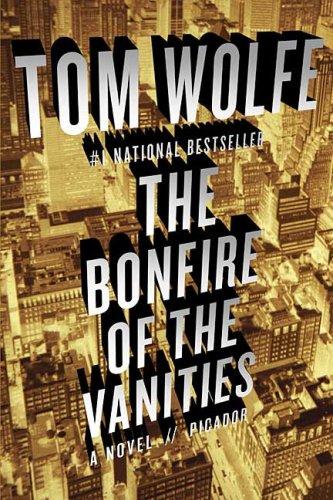
Tom Wolfe was an American author and journalist born in Richmond, Virginia in 1930. He received a doctorate in American studies from Yale before becoming one of the founding practitioners of New Journalism — the application of fictional techniques to nonfiction writing. His works include The Right Stuff, Radical Chic and Mau-Mauing the Flak Catchers, and the novels The Bonfire of the Vanities and A Man in Full. The Electric Kool-Aid Acid Test, published in 1968, remains his most widely assigned work and one of the defining documents of 1960s counterculture. He died in 2018.
