Talk to The Plant Paradox like its author wrote you back.
Get the ideas that fit your life — not generic summaries.
- Chat with the book
- Audiobook-style main ideas
- Adapts to your life and goals
- Helps you take action
The Plant Paradox, in detail
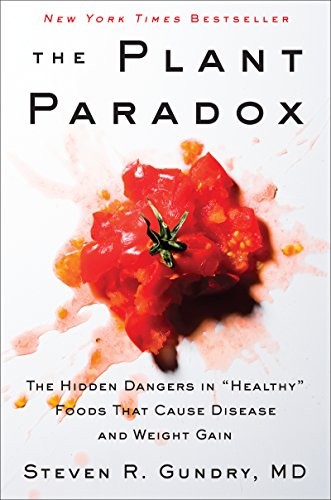
Steven Gundry, a cardiac surgeon turned nutrition researcher, argues in The Plant Paradox that many health problems attributed to processed food, red meat, or fat are actually caused by lectins — proteins found in plants, particularly grains, legumes, and nightshade vegetables. Plants, Gundry contends, cannot run from predators, so they evolved chemical defenses. Lectins are part of that arsenal, and in humans they disrupt gut integrity, trigger inflammation, and mimic hormones in ways that drive obesity, autoimmune conditions, and cardiovascular disease.
The core claim is that a leaky gut — intestinal permeability caused by lectin damage — allows lectin fragments and bacterial particles called lipopolysaccharides to enter the bloodstream, where they set off a low-grade chronic inflammatory response. Gundry presents clinical cases from his practice in which patients improved dramatically after removing high-lectin foods: wheat, most beans, tomatoes, peppers, eggplant, cucumbers, peas, and many others. The dietary protocol he proposes, branded the Plant Paradox Program, replaces these foods with leafy greens, pasture-raised meat, wild-caught fish, certain oils, and select vegetables.
The book is richly anecdotal and light on randomized controlled trial evidence. Gundry's strongest support comes from his own clinical database, which has never been published in peer-reviewed form. Critics within nutrition science point out that the lectin-as-primary-villain hypothesis overstates the mechanistic evidence and ignores that traditional food preparation methods — soaking, fermenting, pressure-cooking — largely neutralize lectins in foods that populations have eaten safely for thousands of years.
The Plant Paradox is most useful as a framework for people with unresolved gut symptoms or autoimmune issues who have not responded to other dietary interventions. Read it as a structured elimination protocol hypothesis rather than settled science. The shopping lists, meal plans, and lectin-avoidance guides are practical regardless of whether one accepts the full explanatory theory, and the emphasis on food quality over calorie counting aligns with much of mainstream nutritional thinking.
The big ideas
- 1.
Lectins are plant proteins that can disrupt the gut lining, trigger inflammation, and interfere with hormone signaling when consumed in large quantities.
- 2.
A leaky gut — increased intestinal permeability — allows lectin fragments and bacterial particles to enter the bloodstream and drive chronic inflammation.
- 3.
Many high-lectin foods, including wheat, legumes, and nightshades, are staples of both Western and traditional diets, which Gundry argues accounts for widespread low-grade inflammation.
