Talk to Broke Millennial like its author wrote you back.
Get the ideas that fit your life — not generic summaries.
- Chat with the book
- Audiobook-style main ideas
- Adapts to your life and goals
- Helps you take action
What it argues
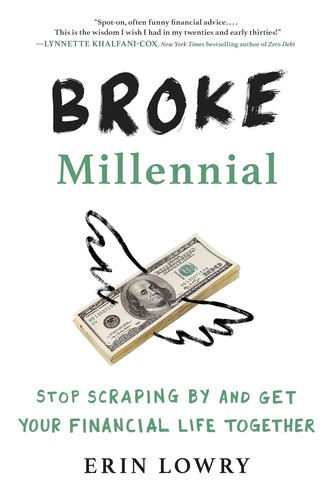
Broke Millennial is Erin Lowry's accessible guide to financial basics for people in their twenties and thirties who are either starting from scratch or who have accumulated bad habits and debt they want to correct. Lowry is a personal finance writer who grew up in a family that was unusually open about money and noticed that many of her peers lacked even the most basic financial literacy. The book is explicitly not a get-rich-quick guide; it's a how-do-I-stop-being-broke guide, covering the foundational skills most young adults were never taught.
Lowry starts with the emotional and psychological dimensions of money — the embarrassment around discussing finances, the different money scripts people absorb from their families, and the ways childhood experiences around money shape adult financial behavior. This framing distinguishes the book from purely technical personal finance guides and acknowledges that the relationship with money is as important as the mechanics.
What it gets right
- 1.
Your money script — the beliefs and narratives around money you absorbed growing up — drives your financial behavior more than your knowledge or intention does.
- 2.
Getting the right bank accounts set up correctly is a prerequisite for everything else. High-yield savings accounts, no-fee checking, and proper account organization precede any investment decisions.
- 3.
Understanding interest rates and compound interest on both debt and savings is the most important piece of financial literacy. The same force that builds wealth in investments destroys it in credit card debt.
What it covers
Who wrote it
Erin Lowry is a personal finance writer and speaker based in New York City. She runs the Broke Millennial blog and has been featured in The New York Times, Business Insider, and NBC News, among other outlets. In addition to Broke Millennial, she has written Broke Millennial Takes On Investing and Broke Millennial Talks Money, both extending the series to more advanced topics. Lowry grew up in a family where financial discussions were open and honest, an unusual experience that she credits with giving her a different relationship with money than many of her peers. Her writing is specifically aimed at young adults who were not given financial education and are navigating major…
