Talk to Dead Aid: Why Aid Is Not Working and How There Is a Better Way for Africa like its author wrote you back.
Get the ideas that fit your life — not generic summaries.
- Chat with the book
- Audiobook-style main ideas
- Adapts to your life and goals
- Helps you take action
What it argues
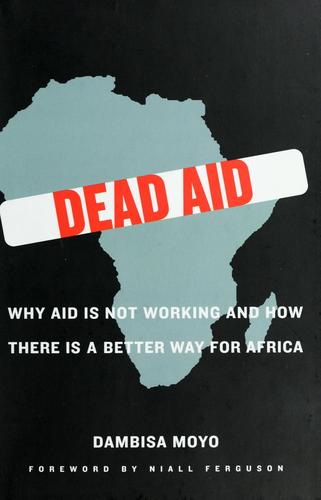
Dead Aid is Dambisa Moyo's argument that the system of aid flowing from rich countries and multilateral institutions to sub-Saharan Africa has not only failed to generate growth but has actively made things worse. Over roughly fifty years, more than a trillion dollars in aid has moved into the continent, and yet per-capita incomes in many recipient countries have declined, corruption has deepened, and dependency has calcified. Moyo's central claim is that aid is the problem, not the solution.
The book distinguishes between three kinds of aid: emergency and humanitarian aid for crises, charitable aid from NGOs, and the government-to-government or multilateral flows that Moyo targets. It is this last category — systematic, bureaucratized development aid — that she argues creates a cycle of dependency, props up corrupt governments, crowds out domestic entrepreneurship, and relieves the pressure on states to be accountable to their own citizens. When a government can fund itself through aid rather than taxes, it answers to foreign donors rather than local populations.
What it gets right
- 1.
Systematic government-to-government aid has failed Africa: over fifty years, more than a trillion dollars in aid coincided with declining per-capita incomes and rising poverty.
- 2.
Aid creates perverse incentives: governments funded by foreign donors become accountable to aid agencies rather than their own citizens, undermining democratic development.
- 3.
Aid crowds out domestic institutions. Countries that don't need to tax their citizens have no incentive to build the administrative and legal structures that taxation requires.
What it covers
Who wrote it
Dambisa Moyo is a Zambian-born economist and author who studied at Oxford and Harvard and worked at Goldman Sachs and the World Bank before turning to writing and corporate board work. Dead Aid, published in 2009, made her one of the most prominent critics of development aid within mainstream economics. She has since written Edge of Chaos, How the West Was Lost, and Winner Take All, extending her analysis of global economic and political systems. She serves on the boards of several major corporations and is a regular commentator on global economic policy.
