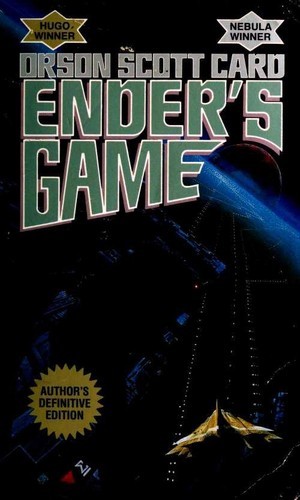
Talk to Ender's Game like its author wrote you back.
Get the ideas that fit your life — not generic summaries.
- Chat with the book
- Audiobook-style main ideas
- Adapts to your life and goals
- Helps you take action
What it argues
Ender's Game takes place in a future where Earth has barely survived two invasions by an insectoid alien species called the Formics. The international military, convinced a third invasion is coming, runs a program to identify and train genetically gifted children as commanders. Andrew "Ender" Wiggin, six years old at the novel's opening, is the most promising candidate they've found — monitored since birth, recruited against his will, and placed in a system of battle simulations designed to make him the commander humanity needs.
The book is about what adults do to exceptional children when they decide civilization is at stake. The Battle School is a sophisticated machine for breaking Ender down and rebuilding him: isolating him from peers, escalating the difficulty of every challenge the moment he masters it, ensuring he can never rest or form stable relationships. Card is explicit that the adults running the program understand exactly what they're doing and believe the cost is justified. Ender's gradual moral exhaustion and psychological damage are features of the design, not accidents.
What it gets right
- 1.
The novel's central ethical question — whether exceptional individuals can be sacrificed for collective survival without their knowledge or consent — is never resolved, only lived through.
- 2.
Ender succeeds as a commander precisely because he can model his enemies' minds accurately enough to destroy them, but Card suggests that capacity and genuine empathy are the same thing expressed differently.
- 3.
The adults are not villains: they believe they're doing what's necessary, and Card gives their position real weight. The tragedy is that they may be right, and the cost is still a destroyed child.
What it covers
Who wrote it
Orson Scott Card is an American author best known for the Ender's Game series, which began as a short story in 1977 and was expanded to a novel in 1985. The novel won both the Hugo and Nebula awards; its sequel Speaker for the Dead won both awards the following year, making Card the only author to win both for consecutive novels in the same series. He has written more than fifty books across science fiction, fantasy, and other genres. Card's public political views have generated significant controversy and debate about the relationship between an author's work and their personal positions.
