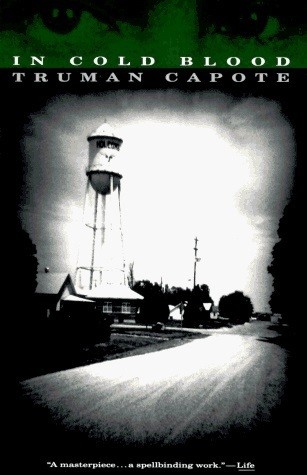
Talk to In Cold Blood like its author wrote you back.
Get the ideas that fit your life — not generic summaries.
- Chat with the book
- Audiobook-style main ideas
- Adapts to your life and goals
- Helps you take action
What it argues
Truman Capote's account of the 1959 murders of the Clutter family in Holcomb, Kansas — and of the investigation, capture, trial, and execution of the killers Perry Smith and Richard Hickock — is the founding document of the true crime genre and one of the most admired works of American nonfiction of the twentieth century. Capote reported it over six years, conducting hundreds of interviews, and published it first in The New Yorker in 1965 before it appeared in book form. He called it a "nonfiction novel" — a claim that generated controversy about the form's truth obligations that continues today.
The book opens with Holcomb itself — the flat Kansas landscape, the Clutter farm, the orderly prosperous life the family had built — before moving to the planning of the robbery that became a mass murder. Perry Smith and Dick Hickock had been tipped off by a former Clutter employee that the farmer kept a safe full of cash; the safe did not exist. Hickock wanted money and was prepared for violence; Smith was more ambivalent, though it was Smith who killed all four members of the family. Capote renders both men in full, giving particular attention to Smith, whose background of poverty, abuse, and frustrated artistic ambition he clearly found compelling.
What it gets right
- 1.
The 'nonfiction novel' form: Capote argued that journalism could use novelistic techniques — scene-building, psychological depth, dramatic structure — without sacrificing factual accuracy. In Cold Blood is the argument in practice.
- 2.
Empathy does not preclude justice. Capote renders Smith with enough depth that the reader understands him without being asked to excuse the murders.
- 3.
The Clutter family represents a specific American ideal — rural prosperity, religious faith, civic virtue — and the murders are partly an attack on that ideal. The book mourns both the people and what they stood for.
What it covers
Who wrote it
Truman Capote (1924–1984) was an American novelist and journalist whose fiction included Breakfast at Tiffany's and Other Voices, Other Rooms, and whose journalism pioneered the form he called the nonfiction novel. Born in New Orleans, he published his first stories in his twenties and became a fixture of New York literary and social life. In Cold Blood, researched over six years and published in 1965-66, was his most sustained and ambitious work; the experience of attending the executions of Smith and Hickock damaged him profoundly, and he never published another completed book.
