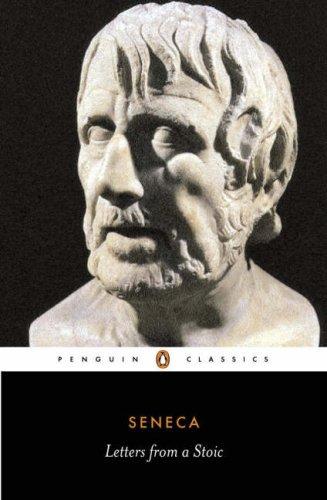
Talk to Letters from a Stoic like its author wrote you back.
Get the ideas that fit your life — not generic summaries.
- Chat with the book
- Audiobook-style main ideas
- Adapts to your life and goals
- Helps you take action
Letters from a Stoic, in detail
Letters from a Stoic collects a selection of 124 letters that Seneca wrote to his friend Lucilius in the final years of his life, around 65 AD. They are not a systematic philosophy text. They read more like dispatches from a man thinking out loud about how to live and die well, written by someone who knew he was close to the end. Seneca was at the time one of the most powerful men in Rome, former tutor and advisor to Nero, and already under suspicion that would soon lead to his forced suicide. The letters carry that weight without advertising it.
The core of Seneca's argument is about time. He insists, letter after letter, that most people waste their lives not through laziness but through distraction — busyness that never adds up to anything, chasing wealth or status or popularity instead of attending to the self. "Dum differtur vita transcurrit" — while we delay, life passes. He is not telling Lucilius to retreat from the world entirely, but to be deliberate about where attention goes. Philosophy, for Seneca, is not an academic exercise but a daily practice of examining what you actually value.
A recurring theme is death — how to think about it honestly rather than flinch from it. Seneca does not counsel detachment or resignation. He argues that confronting mortality directly is what makes life urgent and specific. The letters on friendship are equally striking: real friendship requires trusting someone completely, which requires becoming the kind of person worthy of that trust. This connects to his larger point that virtue is not a private achievement but something tested and expressed in relation to other people.
The Penguin Classics edition translated by Robin Campbell draws from the full 124-letter collection and remains the most readable English version. Seneca's Latin is compressed and epigrammatic — some sentences stay with readers for years. The tone is warmer and more self-critical than Marcus Aurelius, whose Meditations cover related ground with more severity. Seneca freely admits his own failures to live up to his principles, which makes the letters feel like honest counsel rather than moral instruction from a distance.
The big ideas
- 1.
Most people waste their lives not through idleness but through misdirected busyness — pursuing wealth, status, and distraction instead of attending to how they actually want to live.
- 2.
Time is the one resource that cannot be recovered. Seneca insists on guarding it jealously and spending it on things that matter, not on what merely seems urgent.
- 3.
Philosophy is not an academic discipline but a daily practice of self-examination. The point is not to know Stoic doctrine but to use it.
