Talk to Lila like its author wrote you back.
Get the ideas that fit your life — not generic summaries.
- Chat with the book
- Audiobook-style main ideas
- Adapts to your life and goals
- Helps you take action
What it argues
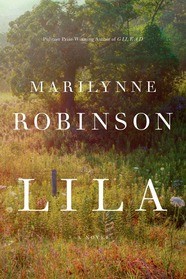
Lila is the third novel set in Gilead, Iowa, and it arrives as a prequel and companion to both Gilead and Home. Its protagonist is the young woman who, late in life, becomes the wife of the aging Calvinist minister John Ames. Robinson's first two Gilead novels established Ames's perspective and his stepsister Glory's. This one belongs entirely to the woman who drifted out of a destitute childhood and into a life neither she nor anyone else could have predicted.
The novel is about what it means to be a person with no claim on the world — no family history worth naming, no fixed place, no theology that explains where people like her fit. Lila grew up in Depression-era wandering, cared for by a woman named Doll who was not her mother, moving with a loose band of itinerant workers across the rural Midwest. When she finally stops drifting and enters the church in Gilead, her confrontation with Christian doctrine isn't belief versus unbelief but something rawer: does a God who created order and covenant have any use for the people who fell through the cracks before grace found them?
What it gets right
- 1.
Belonging is not guaranteed by birth; for some people it must be claimed from nothing, through acts of radical trust that have no guarantee of return.
- 2.
Robinson treats poverty and displacement not as background pathos but as a spiritual condition that shapes what doctrines can and cannot mean to a person.
- 3.
Doll, the woman who raised Lila, is an act of pure grace in the novel's terms — someone who gave without obligation and whose memory haunts the entire book.
What it covers
Who wrote it
Marilynne Robinson is an American novelist and essayist, best known for the Gilead series — Gilead (2004), Home (2008), Lila (2014), and Jack (2020). Gilead won the Pulitzer Prize for Fiction and the National Book Critics Circle Award. Robinson taught at the Iowa Writers' Workshop for many years and is widely regarded as one of the major American prose stylists of her generation. Her essay collections, including The Death of Adam and Absence of Mind, engage with religion, science, and the fate of American civic culture.
