40 books · 11 skills
The best books for learning new skills
The best books for learning new skills fall into two groups: books on how to learn anything faster (Ultralearning, Peak, Make It Stick), and the single best book for each specific skill you want to pick up. Below are 40 picks organized by skill, from cooking to coding to music, each with a line on why it is the one to read, and each ready to chat with in Superbook.
Start here
Learn any skill faster
Start here whatever you are learning. These are the books on how learning itself works, so the hours you spend on everything else pay off faster. If you read only one book from this whole list, make it one of these.
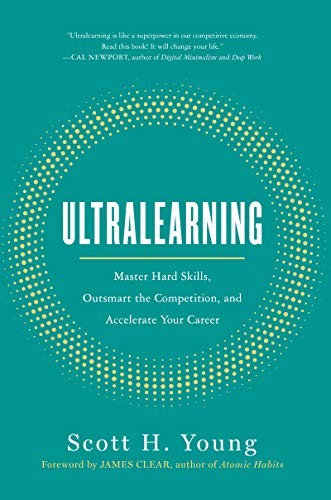
- Ultralearning
01
Ultralearning
Scott Young
Scott Young's aggressive, self-directed method for learning hard skills fast, drawn from teaching himself MIT's four-year CS curriculum in a year.
Read the summary or chat with it → - The First 20 Hours
02
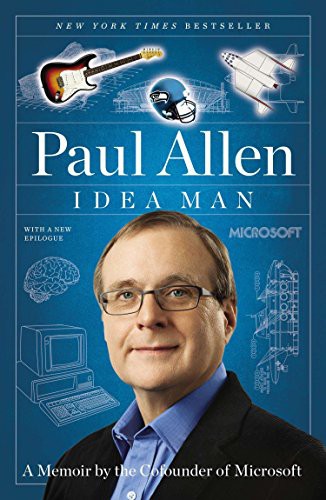
The First 20 Hours
Josh Kaufman
Josh Kaufman's antidote to the 10,000-hour myth: how to go from clueless to genuinely competent at almost anything in about 20 focused hours.
Read the summary or chat with it → - Peak: Secrets from the New Science of Expertise
03
Peak: Secrets from the New Science of Expertise
Anders Ericsson and Robert Pool
Anders Ericsson on deliberate practice, the specific kind of effortful, feedback-driven work that actually builds expertise (and what most people do instead).
Read the summary or chat with it → - Make It Stick
04
Make It Stick
Peter C. Brown, Henry L. Roediger and Mark A. McDaniel
The cognitive science of what makes learning last: retrieval, spacing and interleaving beat re-reading and highlighting every single time.
Read the summary or chat with it → - Mastery
05
Mastery
Robert Greene
Robert Greene on the long arc from apprentice to master, and the mindset that carries you through the unglamorous middle where most people quit.
Read the summary or chat with it → - Range: Why Generalists Triumph in a Specialized World
06
Range: Why Generalists Triumph in a Specialized World
David Epstein
David Epstein's case that sampling widely and staying a generalist often beats early hyper-specialization.
Read the summary or chat with it → - The Inner Game of Tennis
07
The Inner Game of Tennis
W. Timothy Gallwey
Timothy Gallwey on quieting the self-critical mind so the body can learn, the quiet classic behind any physical or performance skill.
Read the summary or chat with it →
Career
Business & entrepreneurship
How to build something people actually pay for, from a first idea to a working company.
- The Lean Startup
01
The Lean Startup
Eric Ries
Eric Ries on build-measure-learn: test your riskiest assumptions cheaply before you bet the company on them.
Read the summary or chat with it → - The Personal MBA: Master the Art of Business
02
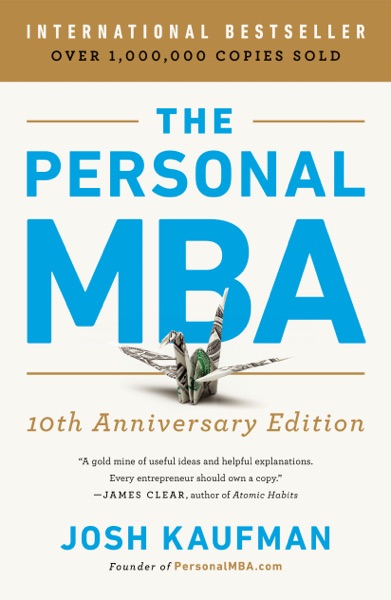
The Personal MBA: Master the Art of Business
Josh Kaufman
Josh Kaufman distills a business-school education into the core concepts that actually run a company, no tuition required.
Read the summary or chat with it → - Zero to One: Notes on Startups, or How to Build the Future
03
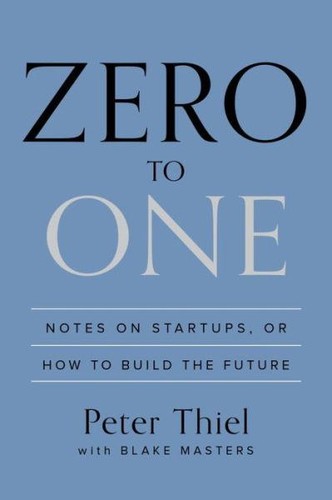
Zero to One: Notes on Startups, or How to Build the Future
Peter Thiel
Peter Thiel on building something genuinely new instead of copying, and why monopolies, not competition, create lasting value.
Read the summary or chat with it → - Rework
04
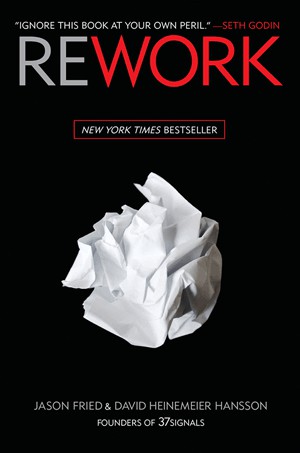
Rework
Jason Fried and David Heinemeier Hansson
Basecamp's founders on doing less, shipping fast, and ignoring most of the conventional business wisdom that slows you down.
Read the summary or chat with it → - The E-Myth Revisited
05
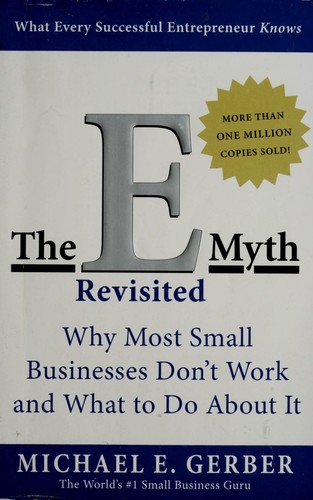
The E-Myth Revisited
Michael E. Gerber
Michael Gerber on why working on your business (building systems) beats working in it, the trap nearly every first-time founder falls into.
Read the summary or chat with it →
Career
Money & investing
The handful of books that teach the behaviour and the basics, which matter far more than any stock tip.
- The Psychology of Money
01
The Psychology of Money
Morgan Housel
Morgan Housel on why doing well with money is about behaviour, not intelligence, told through short, memorable stories.
Read the summary or chat with it → - I Will Teach You to Be Rich
02
I Will Teach You to Be Rich
Ramit Sethi
Ramit Sethi's blunt, automated system for the money basics, the closest thing to a step-by-step manual for your finances.
Read the summary or chat with it → - The Simple Path to Wealth
03
The Simple Path to Wealth
JL Collins
JL Collins' famously clear case for low-cost index funds, written as letters to his daughter.
Read the summary or chat with it → - Your Money or Your Life
04
Your Money or Your Life
Vicki Robin
Vicki Robin on the real trade behind every purchase: the hours of life energy it cost you to earn the money.
Read the summary or chat with it →
People
Communication & influence
Reading people, being understood, and changing minds, the skill sitting underneath every other skill that involves other humans.
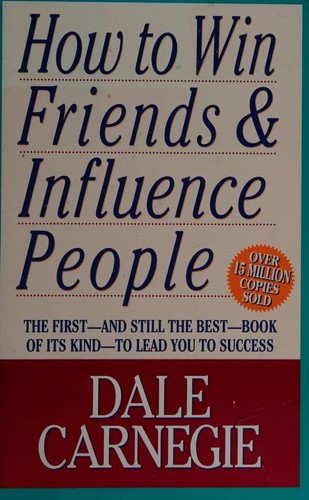
- How to Win Friends and Influence People
01
How to Win Friends and Influence People
Dale Carnegie
Carnegie's near-century-old principles for making people feel genuinely valued still outperform most modern advice.
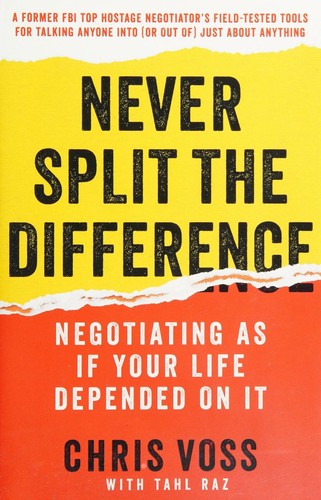
Read the summary or chat with it → - Never Split the Difference
02
Never Split the Difference
Chris Voss
Chris Voss, former FBI hostage negotiator, on tactical empathy and getting to yes without splitting the difference.
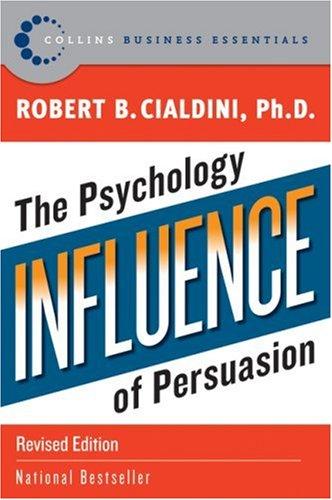
Read the summary or chat with it → - Influence: The Psychology of Persuasion
03
Influence: The Psychology of Persuasion
Robert B. Cialdini
Robert Cialdini's six principles of persuasion: the definitive map of why we say yes, and how to spot when it's being used on you.
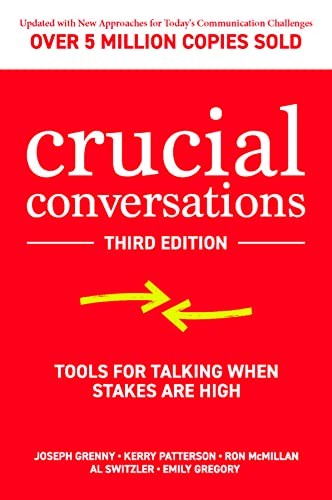
Read the summary or chat with it → - Crucial Conversations: Tools for Talking When Stakes Are High
04
Crucial Conversations: Tools for Talking When Stakes Are High
Kerry Patterson, Joseph Grenny, Ron McMillan, and Al Switzler
A concrete method for the high-stakes, emotional conversations most people avoid until they blow up.
Read the summary or chat with it → - Made to Stick: Why Some Ideas Survive and Others Die
05
Made to Stick: Why Some Ideas Survive and Others Die
Chip Heath and Dan Heath
The Heath brothers on why some ideas stick and others vanish, and how to make yours the kind people remember and repeat.
Read the summary or chat with it →
Creative
Writing
Clear writing is clear thinking. These teach the craft without the fluff.
- On Writing: A Memoir of the Craft
01
On Writing: A Memoir of the Craft
Stephen King
Stephen King's half-memoir, half-toolkit, the most-loved book on writing for good reason: honest, specific, and unpretentious.
Read the summary or chat with it → - Bird by Bird
02
Bird by Bird
Anne Lamott
Anne Lamott on the emotional reality of writing, perfectionism and fear, and the permission to write a terrible first draft.
Read the summary or chat with it → - The Elements of Style
03
The Elements of Style
Strunk & White
Strunk and White’s tiny, ruthless guide, still the fastest way to cut the flab out of your prose.
Read the summary or chat with it → - On Writing Well
04
On Writing Well
William Zinsser
William Zinsser's standard for nonfiction: simplicity, clarity, and respect for the reader on every line.
Read the summary or chat with it →
Technical
Coding & tech
Learning to program is learning to think in systems. These build the craft, not just the syntax.
- The Pragmatic Programmer
01
The Pragmatic Programmer
David Thomas and Andrew Hunt
The book that turns coders into engineers: pragmatic habits, judgment, and how to actually think about building software.
Read the summary or chat with it → - Clean Code
02
Clean Code
Robert C. Martin
Robert Martin on writing code humans can read and change, the difference between something that works and something maintainable.
Read the summary or chat with it → - Code: The Hidden Language of Computer Hardware and Software
03
Code: The Hidden Language of Computer Hardware and Software
Charles Petzold
Charles Petzold builds a computer from flashlights and relays up to a working CPU, so you finally understand what is happening underneath.
Read the summary or chat with it →
Creative
Music & instruments
Learning an instrument is as much about the mind as the fingers. These help with both.
- Effortless Mastery: Liberating the Master Musician Within
01
Effortless Mastery: Liberating the Master Musician Within
Kenny Werner
Kenny Werner on getting out of your own way: the fear and self-judgment that stall most musicians long before their hands do.
Read the summary or chat with it → - This Is Your Brain on Music: The Science of a Human Obsession
02
This Is Your Brain on Music: The Science of a Human Obsession
Daniel J. Levitin
Daniel Levitin on how music works in the brain, the science that quietly deepens how you hear and play.
Read the summary or chat with it → - How Music Works
03
How Music Works
David Byrne
David Byrne's wide-ranging tour of how music actually gets made, from the stage to the studio to the room it's played in.
Read the summary or chat with it →
Hands-on
Cooking
Skip the recipe treadmill. These teach the principles, so eventually you can cook without a recipe at all.
- Salt, Fat, Acid, Heat
01
Salt, Fat, Acid, Heat
Samin Nosrat
Samin Nosrat's four elements of good cooking, the framework that turns following recipes into genuinely understanding food.
Read the summary or chat with it → - The Food Lab: Better Home Cooking Through Science
02
The Food Lab: Better Home Cooking Through Science
J. Kenji López-Alt
Kenji López-Alt applies kitchen science to why techniques work, busting myths and handing you tested, repeatable methods.
Read the summary or chat with it →
Hands-on
Languages
Two opposite philosophies, both effective, for learning to actually speak a language rather than just study it.
- Fluent Forever: How to Learn Any Language Fast and Never Forget It
01
Fluent Forever: How to Learn Any Language Fast and Never Forget It
Gabriel Wyner
Gabriel Wyner's pronunciation-first, spaced-repetition method for wiring a language into long-term memory and never forgetting it.
Read the summary or chat with it → - Fluent in 3 Months
02
Fluent in 3 Months
Benny Lewis
Benny Lewis's speak-from-day-one approach: embrace the mistakes and have real conversations immediately.
Read the summary or chat with it →
Creative
Drawing & art
Drawing is a learnable skill of seeing, not a gift you are born with. These prove it.
- Drawing on the Right Side of the Brain
01
Drawing on the Right Side of the Brain
Betty Edwards
Betty Edwards’ classic gets absolute beginners drawing realistically by teaching you to see edges, spaces and light instead of symbols.
Read the summary or chat with it → - Keys to Drawing
02
Keys to Drawing
Bert Dodson
Bert Dodson's 55 exercises built around one simple loop, look, restate, correct, that steadily trains the hand and the eye together.
Read the summary or chat with it → - Steal Like an Artist
03
Steal Like an Artist
Austin Kleon
Austin Kleon on how creative skill is built by remixing what you love, the permission to start before you feel original.
Read the summary or chat with it →
Hands-on
Working with your hands
For the skills that live in the body and the workshop, and the surprisingly deep case for why they matter.
- Shop Class as Soulcraft
01
Shop Class as Soulcraft
Matthew B. Crawford
Matthew Crawford, philosopher turned motorcycle mechanic, on the real cognitive richness of skilled manual work.
Read the summary or chat with it → - The Craftsman
02
The Craftsman
Richard Sennett
Richard Sennett on craftsmanship as the basic human drive to do a job well for its own sake, across trades and centuries.
Read the summary or chat with it →
Learning a new skill from books: quick answers
What is the best book for learning new skills?
For learning how to learn anything, the best single book is Ultralearning by Scott Young, with The First 20 Hours by Josh Kaufman a gentler starting point. For a specific skill, the best book depends on the skill: Salt, Fat, Acid, Heat for cooking, The Pragmatic Programmer for coding, On Writing for writing, and so on. This guide lists the top pick for each.
Can you really learn a skill from a book?
A book gives you the map, the mental models, and the shortcuts other people learned the hard way, which can save you months. But no book replaces practice. The fastest way to learn is to pair a great book with deliberate, feedback-driven practice: read a chapter, then do the thing, then read the next.
What are the best books to teach yourself a new skill?
For self-directed learning specifically, start with Ultralearning (Scott Young), The First 20 Hours (Josh Kaufman), and Make It Stick, which together cover how to structure practice, get past the beginner wall, and make what you learn actually stick.
How do you learn a new skill fast?
Define a specific target, break the skill into its most important sub-skills, practice the hardest parts deliberately with quick feedback, and remove friction so you practice daily. The First 20 Hours and Peak lay out this method in full.
The honest version: a book is the fastest way to borrow someone else's hard-won map of a skill, but the map is not the territory. With Superbook you can chat with any book on this page, ask how its ideas apply to what you are actually trying to learn, and turn reading into practice. Free to try.
