Talk to Olive Kitteridge like its author wrote you back.
Get the ideas that fit your life — not generic summaries.
- Chat with the book
- Audiobook-style main ideas
- Adapts to your life and goals
- Helps you take action
Olive Kitteridge, in detail
Olive Kitteridge is a linked short-story collection set in the small coastal town of Crosby, Maine, structured around a retired schoolteacher who is difficult, sharp-tongued, occasionally cruel, and deeply, secretly observant of the people around her. She is not the protagonist of every story — sometimes she appears as a peripheral figure, a neighbor glimpsed through a window, an intruder on someone else's grief. But her presence shapes the emotional landscape of the book the way a rock formation shapes a coastline: immovably, without caring.
What the book is really about is the gap between the lives people build and the lives they wanted — marriages that calcified, children who left, kindnesses that came too late. Strout writes about depression and suicidality with unsentimental directness, and about the way ordinary Maine life can hold enormous amounts of private suffering. Olive herself is never quite sympathetic, never quite a villain. She sees things other people miss, intervenes in moments of crisis with blundering effectiveness, and fails the people closest to her in ways she can barely articulate.
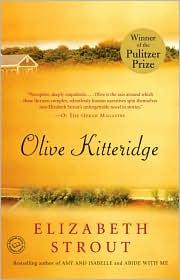
The linked-story structure is exactly right for this material. Each chapter is complete, with its own characters and situation, but Olive's appearances accumulate into something resembling a portrait — one that the reader assembles rather than receives. Strout's prose is spare and precise; she is particularly good at dialogue that carries enormous unspoken weight. The book won the Pulitzer Prize in 2009 and has since been recognized as one of the essential American novels of its decade.
Readers who like their fiction emotionally honest and formally inventive will find this absorbing. Those who need a protagonist they can root for may struggle — Olive is not designed to be liked, and the book doesn't apologize for her. It is not a comfortable read. It is the kind of book that makes you think about your own marriage, your own silences, and who will see you clearly when the moment comes.
The big ideas
- 1.
Strout builds a complete character portrait through accumulation — Olive never dominates any single story, but her presence across all of them creates something more dimensional than a conventional first-person narrative would allow.
- 2.
The book argues, quietly and without sentimentality, that depression is everywhere in ordinary American life — in marriages, in aging, in people who seem fine from the outside.
- 3.
Olive's emotional illiteracy is not framed as unusual. Most of the characters in the book are unable to say what they mean, and the novel is about what happens in that gap.
