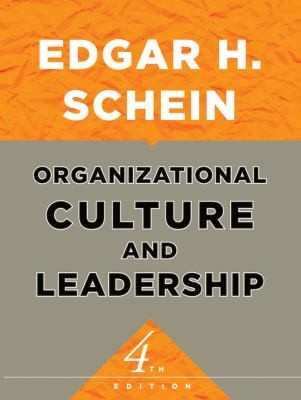
Talk to Organizational Culture and Leadership like its author wrote you back.
Get the ideas that fit your life — not generic summaries.
- Chat with the book
- Audiobook-style main ideas
- Adapts to your life and goals
- Helps you take action
Organizational Culture and Leadership, in detail
Organizational Culture and Leadership is Edgar Schein's foundational text on how culture forms, how it functions, and what leaders can actually do about it. First published in 1985 and revised several times since, it remains the most thorough academic treatment of culture in organizations available to a general readership. Schein's central argument is that culture is not a peripheral organizational variable — it is the accumulated learning of a group and the framework through which members interpret their experience. Understanding it is not optional for anyone who wants to lead effectively.
Schein's three-level model is the book's enduring contribution. The first level is artifacts — visible structures, rituals, and behaviors that are easy to observe but difficult to interpret. The second level is espoused beliefs and values — the official positions an organization takes about how things should work. The third and deepest level is basic underlying assumptions — the taken-for-granted beliefs about reality, human nature, and time that operate below conscious awareness and that almost never appear in official documents. Culture, Schein argues, lives primarily at the third level, which is why culture change is so difficult: you're not changing policies or stated values, you're changing what people treat as self-evidently true.
The leadership section makes the case that founders embed culture through what they pay attention to, how they respond to crises, how they allocate resources, and who they select and promote. As organizations mature, culture shifts from something leaders create to something that constrains them. Mid-life organizational crises often stem from the original cultural DNA becoming misaligned with a changed environment. At that point, transformation requires leaders who can surface and challenge assumptions that most of their colleagues have never consciously examined.
The book is dense and academic in places, and some of the case studies — drawn from DEC and other now-defunct companies — show their age. But no other text gives practitioners the same conceptual rigor for thinking about why culture is hard to see, hard to change, and impossible to ignore. For anyone doing serious work on organizational transformation, Schein's framework is the foundation everything else builds on.
The big ideas
- 1.
Culture operates at three levels: visible artifacts, espoused values, and basic underlying assumptions. The deepest level is the most influential and the least visible.
- 2.
Basic underlying assumptions feel like facts, not beliefs. They're shared without discussion because they've never needed to be discussed — until the environment changes.
- 3.
Founders embed culture through what they pay attention to, how they handle crises, what they model, and who they reward and promote. Early choices have long-lasting effects.
