Talk to Rebel Without a Crew like its author wrote you back.
Get the ideas that fit your life — not generic summaries.
- Chat with the book
- Audiobook-style main ideas
- Adapts to your life and goals
- Helps you take action
Rebel Without a Crew, in detail
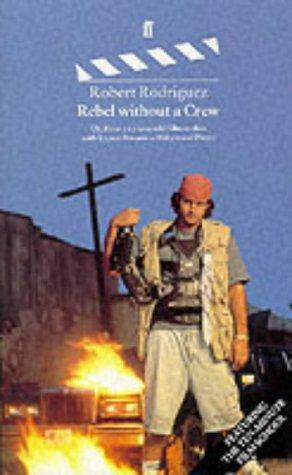
Robert Rodriguez made El Mariachi in 1992 for $7,000, shooting on 16mm in a Mexican border town with a cast of non-actors, no permits, borrowed equipment, and no film crew — just himself operating the camera, directing, and handling most of the technical work. The film was picked up by Columbia Pictures and led to a career that includes Desperado, From Dusk Till Dawn, and the Spy Kids franchise. Rebel Without a Crew is the diary of how it happened and the manual Rodriguez assembled from the experience.
The book is structured in two parts. The first is the diary he kept during the ten-month period from his clinical trial — he enrolled in a pharmaceutical research study to raise the $7,000 — through shooting, to the moment he got the call from the Hollywood agent who would transform his life. The diary is specific and unglamorous: troubleshooting camera malfunctions on set, negotiating for locations, cutting the film on a borrowed editing system, and navigating the uncertainty of not knowing if anyone would ever see it. Rodriguez is a clear-eyed narrator who doesn't romanticize the experience but also doesn't complain about it.
The second part is what he calls the Ten-Minute Film School — a direct, practical distillation of the lessons he took from making El Mariachi. The advice is specific to low-budget filmmaking: learn to love limitations, solve problems with creativity not money, shoot on location with available light, write characters for actors you already know, and never wait until you're ready because ready never comes. These principles have circulated widely in indie film culture and echo in the approach of many low-budget filmmakers who followed him.
What makes the book valuable beyond its direct filmmaking instruction is its argument about constraints as creative fuel. Rodriguez made a virtue of having nothing: no crew meant he could move fast, shoot without permits, and make decisions without negotiation. The book is a case study in a particular philosophy of creative work — start now, use what you have, figure the rest out as you go — that applies well beyond film.
The big ideas
- 1.
Rodriguez shot El Mariachi entirely alone — no crew — which forced him to make decisions instantly and move at a pace that a conventional production could not have matched.
- 2.
Limitations are not a problem to solve before you start; they are the conditions under which creativity happens. Rodriguez wrote characters for specific locations and props he already had access to.
- 3.
The $7,000 budget came from enrolling in a pharmaceutical clinical trial — not unusual for broke filmmakers in the early 1990s. The book is honest about how unglamorous the financing was.
