Talk to Rising Strong like its author wrote you back.
Get the ideas that fit your life — not generic summaries.
- Chat with the book
- Audiobook-style main ideas
- Adapts to your life and goals
- Helps you take action
What it argues
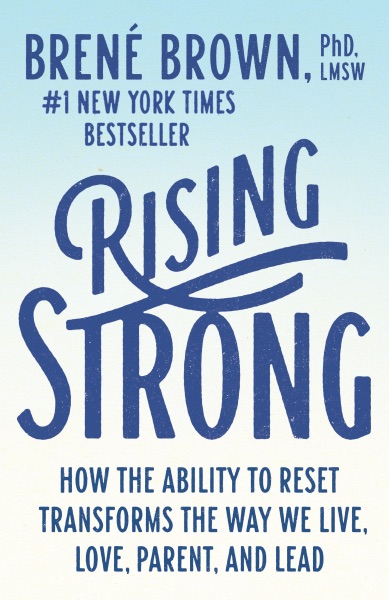
Rising Strong is the third book in Brené Brown's vulnerability-and-courage sequence, following The Gifts of Imperfection and Daring Greatly. Where those earlier books argued for the value of showing up vulnerably, this one addresses what happens when you do show up — and fall down. Brown frames the recovery process as a three-part sequence she calls the Rising Strong process: the reckoning, the rumble, and the revolution.
The reckoning is the moment of recognizing that you're in an emotional reaction — something happened, your body knows it, and you're tempted to either numb out or deflect. Brown draws on her own falls, on interviews conducted over years of research, and on literary examples to argue that most people skip this part. They tell themselves stories — often unconscious, often inaccurate — about why things went wrong and who is to blame, and then they act on those stories without ever examining them.
What it gets right
- 1.
The Rising Strong process has three stages: the reckoning (noticing the fall), the rumble (interrogating your story), and the revolution (being transformed by the process).
- 2.
After a fall, the brain immediately generates a narrative to explain what happened. These narratives protect us in the short term but often distort what actually occurred.
- 3.
Using the phrase 'the story I'm making up' in real conversation signals to yourself and others that you're aware your interpretation may be wrong — it creates space for correction.
What it covers
Who wrote it
Brené Brown is a research professor at the University of Houston and a visiting professor in management at the University of Texas at Austin McCombs School of Business. She has spent more than two decades studying courage, vulnerability, shame, and empathy. Her 2010 TED Talk on vulnerability is one of the most-watched in the platform's history. Her books include The Gifts of Imperfection, Daring Greatly, Braving the Wilderness, and Atlas of the Heart. She also hosts the Unlocking Us and Dare to Lead podcasts.
