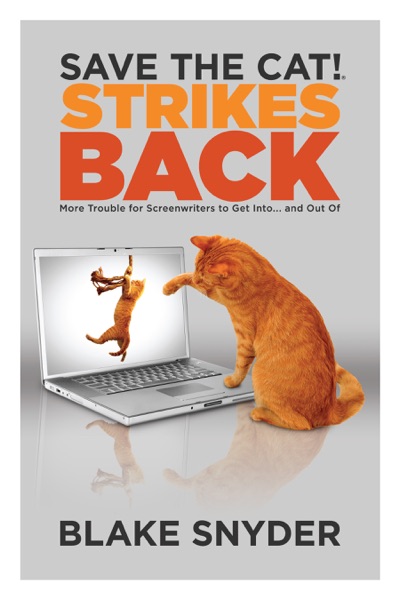
Talk to Save the Cat like its author wrote you back.
Get the ideas that fit your life — not generic summaries.
- Chat with the book
- Audiobook-style main ideas
- Adapts to your life and goals
- Helps you take action
What it argues
Save the Cat is Blake Snyder's screenwriting manual — brisk, opinionated, and unembarrassed about being practical. The book's central proposition is that commercial screenwriting is a learnable craft with identifiable rules, and that writers who resist those rules are usually not subverting convention but failing to understand it. Snyder was a working Hollywood screenwriter who sold scripts but never made it to A-list status, which gives the book an unusual honesty about the industry it describes.
The title comes from one of Snyder's laws: give your protagonist an early moment of likability — a "save the cat" gesture — before asking the audience to follow them through difficult or morally complex territory. The principle is simple but its implications reach into character construction, opening sequences, and the basic deal a story makes with its audience.
What it gets right
- 1.
Every successful commercial film can be broken into fifteen structural beats, each falling at roughly predictable page counts. Knowing these beats in advance prevents structural problems from appearing in draft four rather than the outline.
- 2.
The 'save the cat' moment — an early act of likability or competence — earns audience goodwill before the protagonist does anything complicated or morally difficult.
- 3.
Genre is a contract with the audience. Classifying your story correctly forces you to understand what experience the audience is paying for and whether you're delivering it.
What it covers
Who wrote it
Blake Snyder was an American screenwriter based in Los Angeles who sold several produced and unproduced screenplays to major studios during the 1990s, including Stop! Or My Mom Will Shoot and Blank Check. He taught screenwriting workshops and developed the Save the Cat methodology over two decades before publishing the first book in 2005. He followed it with Save the Cat Goes to the Movies and Save the Cat Strikes Back. Snyder died in 2009 at the age of 51. The Save the Cat brand has since been extended by other authors into fiction writing and game design.
