Talk to Tell No One like its author wrote you back.
Get the ideas that fit your life — not generic summaries.
- Chat with the book
- Audiobook-style main ideas
- Adapts to your life and goals
- Helps you take action
What it argues
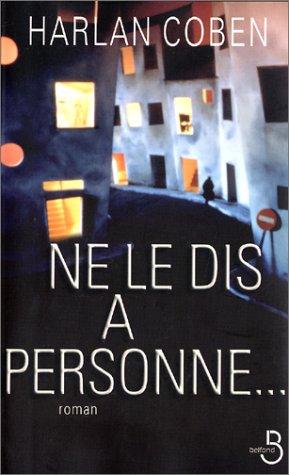
Tell No One is a standalone thriller by Harlan Coben published in 2001. Dr. David Beck watched his wife Elizabeth die eight years ago — murdered at their childhood lakeside hideaway, her body found days later. He has rebuilt something like a life. Then he receives an email that seems to be from Elizabeth. Two bodies are found near the lake. And the FBI starts asking David questions he has no good answers to.
Coben's premise is a machine built for propulsion. Every chapter ends on a revelation or a threat; the book is structured to be consumed in a sitting. The central mystery is not whodunit but how: how is Elizabeth apparently alive, and what happened to her eight years ago that the investigation missed? Coben layers the answers carefully, introducing new characters, each carrying a piece of the truth, and rearranging earlier scenes each time a piece clicks into place.
What it gets right
- 1.
Grief rearranges a person's life around absence so thoroughly that the prospect of its resolution becomes its own form of threat.
- 2.
The thriller premise — is a dead person alive? — is in service of a deeper question: how much of any marriage exists only in one partner's perception?
- 3.
Coben's chapter structure is designed for momentum: each chapter ends on a hook, each revelation reframes the previous one, the book resists being put down.
What it covers
Who wrote it
Harlan Coben is an American author born in 1962, best known for standalone thrillers and the Myron Bolitar series. His novels have sold over 75 million copies worldwide and been published in 46 languages. He is a three-time Edgar Award winner and was the first author to win the Edgar, Shamus, and Anthony awards. Tell No One (2001) was his breakthrough standalone bestseller. Netflix has adapted numerous Coben novels as limited series, including The Stranger, Safe, and Stay Close.
