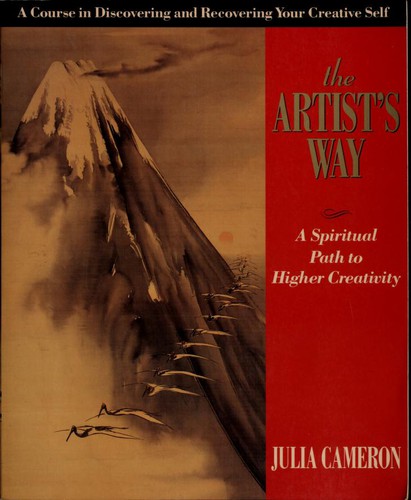
Talk to The Artist's Way like its author wrote you back.
Get the ideas that fit your life — not generic summaries.
- Chat with the book
- Audiobook-style main ideas
- Adapts to your life and goals
- Helps you take action
The Artist's Way, in detail
The Artist's Way is Julia Cameron's twelve-week program for recovering and developing creative ability, originally published in 1992 and still widely used in studio groups and classrooms. Cameron's argument is that most people have had their creativity damaged — by critical parents, dismissive teachers, perfectionism, or simple attrition — and that the damage can be repaired through specific practices. The book is spiritual in tone, drawing on concepts from the twelve-step tradition and framing creativity as a gift from a higher source that can be uncovered but not manufactured.
The two core practices are morning pages and the artist date. Morning pages are three handwritten pages done first thing in the morning — a stream of consciousness dump that is not read, edited, or shared. They are not writing; they are mental hygiene. The purpose is to drain the toxic, self-critical, resistant mental material that blocks the access to creative thinking later in the day. Morning pages are the single most commonly credited tool from the book.
The artist date is a weekly solo excursion to somewhere that replenishes the creative well — a museum, a hardware store, a new neighborhood, a place that generates novel sensory experience. Cameron argues that creativity requires both an output channel (morning pages) and an input channel (artist dates), and that most people who consider themselves uncreative have simply depleted the input without refilling it.
Each of the twelve chapters introduces a concept — shadow artists, creative monsters, recovering a sense of possibility — along with weekly tasks. The book is most useful when followed as a program rather than read as text, since the habits only produce results when practiced. Cameron's spiritual framing makes it less accessible to secular readers, but her insight into creative self-sabotage is sharp regardless of whether you accept the metaphysics.
The big ideas
- 1.
Morning pages — three handwritten pages of uncensored stream of consciousness, written first thing and not reread — are the primary tool for clearing creative blocks and accessing genuine creative thinking.
- 2.
Artist dates — weekly solo excursions to replenishing experiences — fill the creative well that morning pages help to drain. Both channels are necessary.
- 3.
Creativity is often blocked by internal critics internalized from external sources. Identifying the specific voices and their origins is the first step to defusing them.
