Talk to Hunger like its author wrote you back.
Get the ideas that fit your life — not generic summaries.
- Chat with the book
- Audiobook-style main ideas
- Adapts to your life and goals
- Helps you take action
What it argues
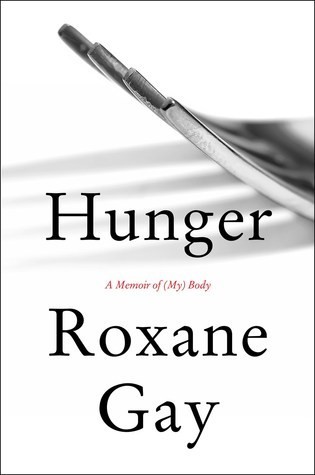
Hunger is Roxane Gay's memoir about her body, the trauma that shaped it, and the world's persistent refusal to accommodate it. Gay writes with extraordinary honesty about the experience of being a large woman in a culture that conflates body size with worth, discipline, and character. The book is not a weight loss story. It is an account of what it costs to live in a body that the world codes as wrong, and an examination of how Gay came to understand her own relationship with eating, size, and survival.
The memoir is organized around Gay's experience of being gang-raped at twelve years old and her response to that assault over the following decades. She describes eating as a way of building a body she believed would be safe — impenetrable, visible, and powerful in its size. The candor is unusual and unsettling in the best way. Gay does not present her body as something to be fixed or her eating as a problem to be solved. She presents them as logical, if painful, responses to what happened to her.
What it gets right
- 1.
Bodies are not problems to be solved but sites of complex, often painful history. Gay's memoir challenges the cultural habit of treating fat bodies as evidence of personal failure.
- 2.
Overeating can be a rational survival response to trauma rather than a failure of willpower or discipline. Understanding that mechanism changes what kind of help is actually useful.
- 3.
The world is physically designed to accommodate a narrow range of body sizes. The daily friction that large people navigate is not incidental but structural.
What it covers
Who wrote it
Roxane Gay is an American writer, professor, and cultural critic whose work spans fiction, essays, and memoir. She is the author of the essay collection Bad Feminist, the novel An Untamed State, and the short story collection Difficult Women, among other books. She has written for the New York Times, the Guardian, and numerous literary journals, and her criticism on race, gender, politics, and culture is widely cited. Gay teaches creative writing and has held academic positions at several universities. Hunger, published in 2017, is her first full-length memoir.
