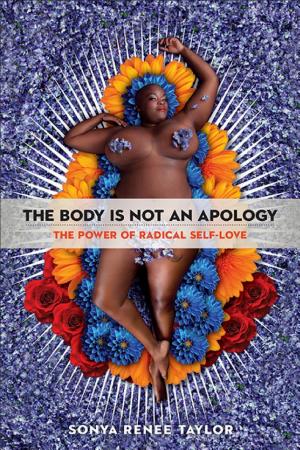
Talk to The Body Is Not an Apology: The Power of Radical Self-Love like its author wrote you back.
Get the ideas that fit your life — not generic summaries.
- Chat with the book
- Audiobook-style main ideas
- Adapts to your life and goals
- Helps you take action
What it argues
Sonya Renee Taylor's central argument is that the way societies teach people to hate, distrust, or feel ashamed of their bodies is not a personal failing but a political and economic system — and that dismantling it begins with what she calls radical self-love. The book opens by distinguishing body neutrality and body positivity, which Taylor sees as partial and insufficient, from radical self-love, which she frames as a recognition that our worth is not contingent on how closely our bodies match a cultural ideal.
Taylor draws a direct line between the personal and the structural. The same logic that tells one person their body is too fat, another that it is too disabled, and another that it is too dark is the logic underwriting discrimination, medical inequality, and economic exclusion. She calls this the "body shame profit complex" — the industries and systems that profit from people feeling inadequate. Understanding the system, in her view, is not abstract political theory but a necessary step toward freeing yourself from internalized judgment.
What it gets right
- 1.
Radical self-love is not self-esteem or body positivity. It is a recognition that human worth is unconditional and not granted or withheld by body size, ability, race, or age.
- 2.
The body shame profit complex describes the industries and systems — diet, beauty, pharmaceutical, fashion — that depend financially on people feeling their bodies are inadequate.
- 3.
Body-based shame is structural before it is personal. The same logic that enforces one person's shame also underlines discriminatory systems in healthcare, employment, and public life.
What it covers
Who wrote it
Sonya Renee Taylor is an American activist, poet, and performance artist. She founded The Body Is Not an Apology as an online platform in 2011 before it became the organization and then the book. Her spoken word work has been featured internationally, and she has spoken at universities, corporations, and social justice conferences on body shame, radical self-love, and intersectionality. The Body Is Not an Apology, first published in 2018, was expanded and updated in a second edition in 2021. She is based in New Zealand.
