The Body Is Not an Apology: The Power of Radical Self-Love by Sonya Renee Taylor is a 2018 psychology book about body image, self-love, social justice. Radical self-love is not self-esteem or body positivity. It is a recognition that human worth is unconditional and not granted or withheld by body size, ability, race, or age.
Summary
Sonya Renee Taylor's central argument is that the way societies teach people to hate, distrust, or feel ashamed of their bodies is not a personal failing but a political and economic system — and that dismantling it begins with what she calls radical self-love. The book opens by distinguishing body neutrality and body positivity, which Taylor sees as partial and insufficient, from radical self-love, which she frames as a recognition that our worth is not contingent on how closely our bodies match a cultural ideal.
Taylor draws a direct line between the personal and the structural. The same logic that tells one person their body is too fat, another that it is too disabled, and another that it is too dark is the logic underwriting discrimination, medical inequality, and economic exclusion. She calls this the "body shame profit complex" — the industries and systems that profit from people feeling inadequate. Understanding the system, in her view, is not abstract political theory but a necessary step toward freeing yourself from internalized judgment.
The practical sections of the book are built around four practices Taylor calls the unapologetic inquiry: examining the thoughts and beliefs you hold about your own body, tracing where those beliefs came from, questioning whether they serve you, and replacing shame-driven behavior with curiosity and care. She addresses the specific pressures facing people in fat bodies, disabled bodies, racialized bodies, and aging bodies without collapsing those experiences into a single narrative. The intersectional framing is one of the book's genuine strengths.
Taylor's tone is activist and declarative, which will energize readers already drawn to this kind of work and may feel prescriptive to others who approach personal development from a more clinical or skeptical angle. The book is short — closer to a long essay than a comprehensive text — and some chapters read more like calls to action than worked-through arguments. Even so, the core reframe is genuinely useful: shame about your body rarely originates inside you, and locating its actual source is more productive than fighting the shame directly.
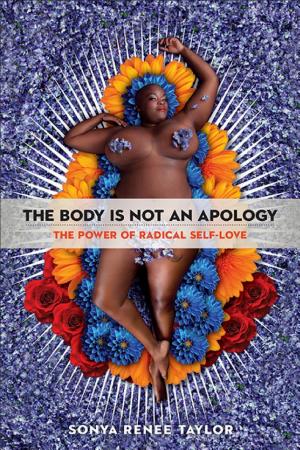
Talk to The Body Is Not an Apology: The Power of Radical Self-Love like its author wrote you back.
Get the ideas that fit your life — not generic summaries.
- Chat with the book
- Audiobook-style main ideas
- Adapts to your life and goals
- Helps you take action
Key takeaways
- 1.
Radical self-love is not self-esteem or body positivity. It is a recognition that human worth is unconditional and not granted or withheld by body size, ability, race, or age.
- 2.
The body shame profit complex describes the industries and systems — diet, beauty, pharmaceutical, fashion — that depend financially on people feeling their bodies are inadequate.
- 3.
Body-based shame is structural before it is personal. The same logic that enforces one person's shame also underlines discriminatory systems in healthcare, employment, and public life.
- 4.
Radical self-love is explicitly political. Changing how you feel about your own body has consequences for how you treat others whose bodies differ from yours.
- 5.
The unapologetic inquiry asks you to examine your body-related thoughts, trace their origins, test their validity, and replace shame with curiosity rather than force positive thinking.
- 6.
Intersectionality matters here: people in fat bodies, disabled bodies, racialized bodies, and trans bodies face distinct compounding pressures that a single narrative about body image cannot address.
- 7.
Body shame often disguises itself as health concern or personal motivation. Identifying the disguise is a prerequisite for undermining it.
- 8.
Collective liberation and personal liberation are linked. Freeing yourself from shame about your body tends to increase compassion for others whose bodies are also shamed.
Discussion questions
Use these on your own, with a book club, or as chat starters in Superbook. Book club version, ready to copy or print →
- 1.
Taylor distinguishes radical self-love from body positivity. Before reading this, how did you understand body positivity, and has the distinction changed anything for you?
- 2.
Think of a belief you hold about your body — weight, aging, ability, appearance. Where did that belief come from, and when did you first absorb it?
- 3.
Taylor argues that body shame is a structural system, not just a personal attitude. Does locating shame as political rather than personal make it easier or harder to address in your own life?
- 4.
What is one industry or media form that has most shaped your relationship to your body? How aware were you of that influence before examining it?
- 5.
Taylor's model of the body shame profit complex claims industries profit from your dissatisfaction. What would you have to believe — or stop believing — for that complex to lose its hold on you?
- 6.
The book treats intersectionality as essential: different bodies face different pressures. How does your own set of body-related identities (size, race, ability, gender, age) shape the specific shame you have been taught?
- 7.
Have you ever used the language of health or self-improvement to avoid confronting body shame directly? What is the difference between genuine health care and shame dressed up as concern?
- 8.
Taylor asks readers to extend to themselves the compassion they might naturally offer a friend. What makes that so difficult in practice?
- 9.
The book links individual body shame to collective discrimination. Do you see that connection operating in the institutions or communities you belong to?
- 10.
What would it mean in your daily life — not as a feeling but as a practice — to treat your body as not requiring an apology?
- 11.
Which chapter or section of the book felt most urgent or personal, and which felt most distant from your experience? What accounts for that difference?
- 12.
Taylor ends with a vision of radical self-love as a world-changing force. Does that framing motivate you or does it feel like too much weight to put on a personal practice?
Themes
Frequently asked questions
-
What is The Body Is Not an Apology about?
It argues that the shame most people feel about their bodies is not a personal problem but a structural one — produced by industries and systems that profit from dissatisfaction. Taylor calls the alternative radical self-love and gives practical tools for developing it.
-
Is The Body Is Not an Apology worth reading?
Yes, particularly if you recognize body shame as a pattern in your thinking but have found typical body positivity advice shallow. The book is short and accessible, and the structural framing of shame is more useful than the usual self-help approach of replacing bad thoughts with good ones.
-
Who should read this book?
People who want to examine the origins of their body-related shame rather than just manage it, and anyone working in education, healthcare, or social services where body-based discrimination is a real force. The intersectional framing makes it especially relevant for readers navigating fat, disabled, racialized, or otherwise marginalized body experiences.
-
How long does it take to read?
Around three hours. The book is under 200 pages and reads quickly. Some chapters are quite short and work well as standalone prompts for reflection.
-
What is radical self-love, according to Taylor?
Not positive thinking about your body, but a recognition that your worth as a person is not determined by how closely your body matches a cultural ideal. It is both a personal practice and a political stance — the two are connected in Taylor's framework.
Similar books
The Body Keeps the Score
Bessel van der Kolk
Grit: The Power of Passion and Perseverance
Angela Duckworth

Mindset: The New Psychology of Success
Carol S. Dweck
The Body: A Guide for Occupants
Bill Bryson
