Talk to The Book on Rental Property Investing like its author wrote you back.
Get the ideas that fit your life — not generic summaries.
- Chat with the book
- Audiobook-style main ideas
- Adapts to your life and goals
- Helps you take action
The Book on Rental Property Investing, in detail
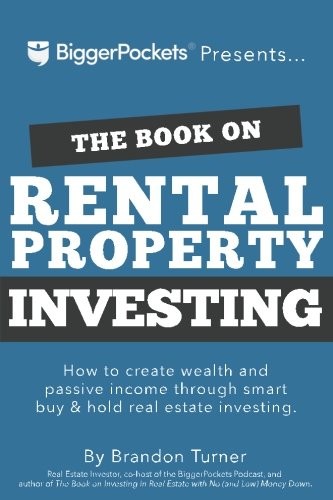
Brandon Turner's guide to rental property investing is one of the most comprehensive introductions available to buy-and-hold real estate. Turner, a co-host of the BiggerPockets podcast and an active investor himself, writes from experience rather than theory. The book is aimed squarely at people who have some savings and a desire to generate passive income but don't know how to evaluate deals, finance them, or manage the properties once acquired.
The first section covers mindset and goal-setting. Turner argues that most would-be investors fail before they start by over-thinking and under-doing. He lays out why rental properties — specifically long-term, single-family and small multifamily — create wealth through four mechanisms: cash flow, appreciation, loan paydown, and tax advantages. The combination of these four streams, when compounded over a career, produces financial independence in a way most other investments don't.
The middle sections are the most practical. Turner explains how to analyze a rental deal using the "1% rule" and more rigorous cash-on-cash return calculations. He walks through financing options from conventional mortgages to creative seller financing, covers how to find below-market properties, and explains the BRRRR strategy — buy, rehab, rent, refinance, repeat — in enough depth that a first-time investor could actually execute it. He's direct about risks: vacancy, bad tenants, deferred maintenance, and market downturns are real and will happen.
The book's main limitation is that it stays at a general level when local market knowledge matters most. Cap rates in Detroit and San Francisco require entirely different thinking, and Turner's examples often favor the Midwest cash-flow model. Still, for anyone starting out, the frameworks here — how to screen tenants, how to structure leases, how to estimate rehab costs — are genuinely useful and grounded in practice rather than wishful thinking.
The big ideas
- 1.
Rental properties build wealth through four simultaneous channels: cash flow, appreciation, loan paydown by tenants, and tax deductions. No single stock does all four.
- 2.
The 1% rule — monthly rent should be at least 1% of purchase price — is a quick screen, not a final analysis. Use cash-on-cash return for real decisions.
- 3.
The BRRRR strategy (Buy, Rehab, Rent, Refinance, Repeat) lets you recycle capital and scale a portfolio without needing a new down payment for every property.
