Talk to The Depression Cure like its author wrote you back.
Get the ideas that fit your life — not generic summaries.
- Chat with the book
- Audiobook-style main ideas
- Adapts to your life and goals
- Helps you take action
What it argues
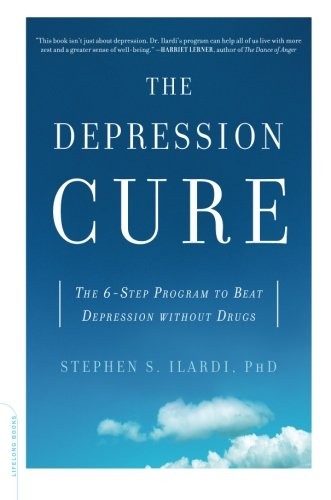
The Depression Cure is Stephen Ilardi's account of Therapeutic Lifestyle Change (TLC), a structured program he developed at the University of Kansas for treating depression without primary reliance on antidepressants. Ilardi is a clinical psychologist who began asking why depression was so rare in traditional hunter-gatherer societies and so prevalent in modern industrialized populations, and built a treatment program from the answers. The program combines six elements: aerobic exercise, omega-3 fatty acids, social engagement, meaningful activity, sunlight exposure, and improved sleep — all supported by clinical trial data.
The book's theoretical foundation is similar to Lost Connections: depression is, in substantial part, a mismatch disease. Human brains were shaped by evolution to function in environments that provided regular physical activity, social belonging, varied engagement, and abundant natural light. Modern sedentary, isolated, indoor lives deprive the brain of inputs it requires to regulate mood effectively. Antidepressants address the neurochemical symptoms of that mismatch without addressing the mismatch itself.
What it gets right
- 1.
Depression is partly a mismatch disease: the modern sedentary, isolated, indoor lifestyle deprives the brain of the inputs — exercise, social engagement, sunlight, varied activity — it evolved to require for mood regulation.
- 2.
The six elements of Therapeutic Lifestyle Change (exercise, omega-3s, anti-rumination, social engagement, light exposure, sleep) each have independent evidence for antidepressant effects; combined, they produce results comparable to medication.
- 3.
Aerobic exercise has antidepressant effects equivalent to medication in multiple clinical trials, with better long-term outcomes — lower relapse rates — than pharmacological treatment alone.
What it covers
Who wrote it
Stephen Ilardi is a professor of psychology and director of the Depression Research and Treatment Program at the University of Kansas. He received his PhD in clinical psychology from Duke University and completed a clinical internship at Duke University Medical Center. He has published research on depression, lifestyle medicine, and Therapeutic Lifestyle Change in peer-reviewed journals. His TLC program has been evaluated in multiple clinical trials and is available as a community health intervention. The Depression Cure, published in 2009, translates the clinical research into a self-help format accessible to a general audience.
