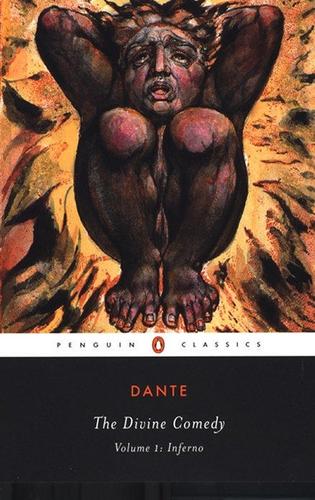
Talk to The Divine Comedy: Inferno like its author wrote you back.
Get the ideas that fit your life — not generic summaries.
- Chat with the book
- Audiobook-style main ideas
- Adapts to your life and goals
- Helps you take action
The Divine Comedy: Inferno, in detail
The Inferno is the first of three canticles in Dante Alighieri's Divine Comedy, written between approximately 1308 and 1320. It describes Dante's journey through Hell, guided by the Roman poet Virgil, on a path toward spiritual redemption. The poem is structured around thirty-four cantos of interlocking terza rima — a rhyme scheme Dante invented — and presents Hell as nine concentric circles arranged by the moral seriousness of the sins punished within them. Lust, gluttony, and avarice sit at the upper levels; fraud and treachery occupy the depths.
The organizing logic is the contrapasso: every punishment mirrors the nature of the sin that earned it. The lustful are blown about by an eternal wind that echoes their surrender to passion. The flatterers are immersed in excrement. Fraudsters walk in circles of reversed vision. Dante is not interested in arbitrary torment; he is building a moral taxonomy, using physical suffering to make visible what he believes sins actually do to the soul. The architecture of Hell is an argument about justice, and the poem's power comes partly from the fact that Dante populates it with real Florentine contemporaries alongside mythological and biblical figures.
The poem also works as political and personal autobiography. Dante was exiled from Florence in 1302, and the Inferno is threaded with rage at the corrupt clergy, venal politicians, and factional betrayers he blames for Florence's decline. Meeting figures like Francesca da Rimini, Ulysses, and Ugolino in Hell lets Dante render them with genuine sympathy and narrative weight even while placing them under eternal judgment. The tension between compassion and condemnation is the emotional texture that makes the poem humanly compelling rather than merely didactic.
Reading the Inferno well requires some tolerance for medieval theological categories and for Dante's cosmology, which reflects scholastic Christian thought rather than modern moral intuitions. Many of his judgments will seem harsh or arbitrary — the unbaptized pagans in Limbo, the suicides in the wood of self-destroyers. But the poem's architecture is internally consistent and the verse, even in translation, carries a compression and force that rewards patient reading.
The big ideas
- 1.
The contrapasso principle — punishment that mirrors the nature of the sin — reflects a medieval conviction that sin deforms the soul and justice reveals that deformation.
- 2.
Hell is organized not by the severity of suffering but by the gravity of moral failure: sins of incontinence are judged less harshly than sins of fraud and betrayal.
- 3.
Dante populates Hell with contemporaries, mixing sympathy with condemnation; the poem is as much a political document as a theological one.
