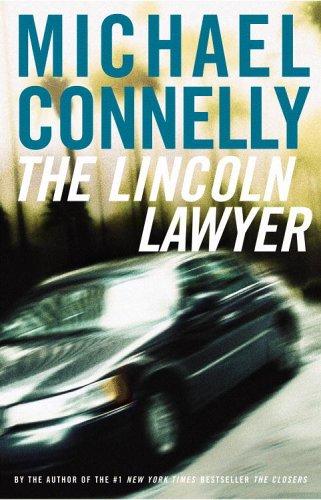
Talk to The Lincoln Lawyer like its author wrote you back.
Get the ideas that fit your life — not generic summaries.
- Chat with the book
- Audiobook-style main ideas
- Adapts to your life and goals
- Helps you take action
The Lincoln Lawyer, in detail
Mickey Haller runs his legal practice out of the back seat of a Lincoln Town Car, shuttling between courthouses and clients across Los Angeles. He is a defense attorney — skilled, pragmatic, and comfortable operating in the margins of the legal system without asking too many questions about his clients' actual guilt. When a wealthy real estate agent named Louis Roulet hires him to defend a charge of assault with intent to rape, Haller takes it as a routine case. The evidence seems weak. The client seems entitled but manageable. Then Haller starts to understand what he is actually dealing with.
The novel turns on a precise legal and moral problem: what does a defense attorney do when he realizes his current client is not only guilty of the charge before him, but is almost certainly a murderer — and that Haller himself may have previously represented one of the victims? Attorney-client privilege and the professional rules of conduct prevent him from using what he knows, from withdrawing in ways that would effectively confess his client, from going to the police. Connelly, who is meticulous about the actual rules of criminal defense, uses the constraints of the law to create a trap that is purely procedural rather than physical.
Mickey Haller is one of the most interesting protagonists in contemporary crime fiction because he operates in moral territory that mainstream thrillers typically avoid. He is not the crusading lawyer or the reluctant hero; he is a professional who has made peace with defending guilty people and is now confronted with the outer limit of that professional peace. The novel does not moralize at him. It asks whether the rules he lives by are sufficient.
The 2011 film with Matthew McConaughey captures Haller's energy and the plot mechanics well, though it simplifies some of the legal detail. Connelly introduced a sprawling Los Angeles crime universe through his Bosch novels, and Haller eventually intersects with that world — but The Lincoln Lawyer stands entirely alone and is the best entry into either series. This is the rare genre thriller where the protagonist's specific expertise is genuinely the point, not just window dressing.
The big ideas
- 1.
The central dilemma is entirely procedural: Haller cannot act on what he knows without violating attorney-client privilege, and the constraint is real, not convenient.
- 2.
Connelly treats criminal defense as a morally complicated profession rather than a heroic or shameful one — Haller's comfort with guilty clients is a professional position, not a character flaw.
- 3.
The villain in this novel is hidden in plain sight: the reader, like Haller, has been watching him all along without fully seeing.
