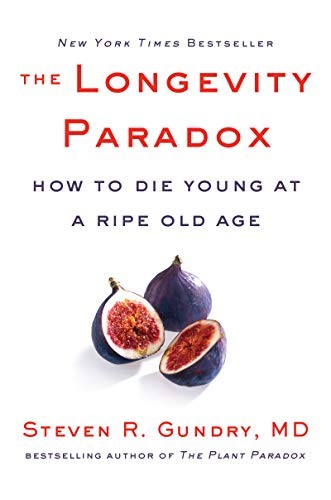
Talk to The Longevity Paradox like its author wrote you back.
Get the ideas that fit your life — not generic summaries.
- Chat with the book
- Audiobook-style main ideas
- Adapts to your life and goals
- Helps you take action
What it argues
Steven Gundry is a cardiac surgeon turned functional medicine physician who built his practice around the hypothesis that gut microbiome health is the central driver of aging and age-related disease. The Longevity Paradox extends his earlier argument from The Plant Paradox — that certain plant compounds called lectins are harmful — into a theory of aging. The paradox in the title is his observation that the centenarians studied in Blue Zones and similar populations often eat diets that, by conventional measures, should be unhealthy, yet live unusually long lives. Gundry's explanation is that it's not what they eat but what their gut bacteria do with what they eat that matters.
The book's core argument is that aging is primarily driven by two interconnected processes: gut microbiome disruption and the resulting systemic inflammation. Gundry argues that the Western diet, particularly processed foods, sugar, and lectins, depletes beneficial gut bacteria and increases intestinal permeability — "leaky gut" in popular terminology — which allows bacterial fragments to enter the bloodstream and trigger chronic immune activation. Over decades, this sustained low-grade inflammation drives cardiovascular disease, cancer, cognitive decline, and the visible markers of aging. Conversely, maintaining a diverse, well-fed microbiome suppresses inflammation and extends healthy lifespan.
What it gets right
- 1.
Aging and age-related disease, in Gundry's model, are primarily driven by gut microbiome disruption and the chronic systemic inflammation that results from it.
- 2.
Intestinal permeability — increased passage of bacterial compounds through the gut wall — activates the immune system chronically and, over time, accelerates aging at the cellular level.
- 3.
Lectins, plant proteins found in legumes, grains, and nightshades, can disrupt gut barrier function and stimulate inflammatory pathways in susceptible individuals, according to Gundry's hypothesis.
What it covers
Who wrote it
Steven R. Gundry is a cardiac surgeon and former head of cardiothoracic surgery at Loma Linda University Medical Center. He left conventional surgery to focus on functional medicine and founded the Center for Restorative Medicine in Palm Springs and Santa Barbara. He is the author of The Plant Paradox series, The Energy Paradox, and Unlocking the Keto Code, all of which develop his microbiome-centered framework for chronic disease. His lectin hypothesis has attracted both a large popular following and significant criticism from mainstream nutrition researchers.
