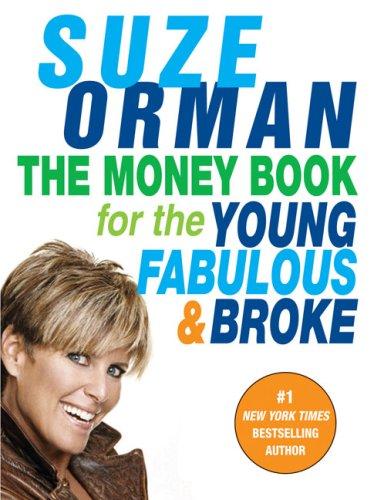
Talk to The Money Book for the Young, Fabulous & Broke like its author wrote you back.
Get the ideas that fit your life — not generic summaries.
- Chat with the book
- Audiobook-style main ideas
- Adapts to your life and goals
- Helps you take action
What it argues
The Money Book for the Young, Fabulous and Broke is Suze Orman's attempt to give practical financial guidance to young adults who are entering the workforce burdened by student loans, earning modest incomes, and facing a financial system they have not been taught to navigate. The book takes the position that the standard financial advice aimed at this demographic is often patronizing, dismisses real constraints, or assumes an earning power that does not yet exist. Orman tries to meet people where they are rather than lecture them about what they should have done differently.
The book covers the major financial challenges of the early adult years: managing and paying down student debt, understanding and building credit scores, handling credit card debt strategically, negotiating salary, and starting to invest on a limited budget. Orman is notably pragmatic about debt. She does not advise readers to put every dollar toward loan payoff before starting to invest; she argues that the Roth IRA's tax-advantaged growth is valuable enough that young earners should contribute even while carrying some debt, particularly at low interest rates.
What it gets right
- 1.
Student loan debt is manageable if you understand income-based repayment options, consolidation, and the long-term cost of different payoff speeds.
- 2.
Credit scores affect more than borrowing — they influence insurance rates, rental applications, and some hiring decisions. Building credit early matters.
- 3.
Contributing to a Roth IRA should begin as early as possible, even while carrying moderate-interest debt, because tax-free compound growth over decades is difficult to replicate.
What it covers
Who wrote it
Suze Orman is one of the best-known personal finance authors and media personalities in the United States. She spent years as a financial advisor before transitioning to writing and broadcasting, hosting The Suze Orman Show on CNBC for over a decade. She has written multiple New York Times bestsellers including The 9 Steps to Financial Freedom, Women and Money, and The Money Class. Her work targets ordinary households rather than high-net-worth investors and is known for its directness and emphasis on the emotional and psychological dimensions of financial decision-making.
