Talk to The Prince like its author wrote you back.
Get the ideas that fit your life — not generic summaries.
- Chat with the book
- Audiobook-style main ideas
- Adapts to your life and goals
- Helps you take action
What it argues
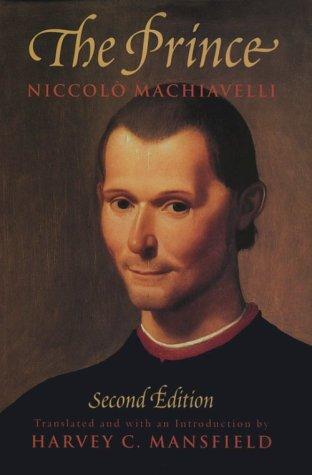
The Prince is Machiavelli's short treatise on how to acquire, hold, and exercise political power. Written in 1513 and published posthumously in 1532, it was addressed to Lorenzo de' Medici as practical advice for a new ruler, but its real audience has always been anyone who wants to understand how power actually works rather than how moralists say it should. The book's enduring shock is its refusal to dress up political calculation as virtue.
Machiavelli's central argument is that effective rule requires a clear-eyed separation between political necessity and conventional morality. A prince must be willing to use cruelty decisively when required, appear virtuous without being bound by it, and adapt his behavior to circumstances. The famous lion-and-fox metaphor captures the idea: force alone is not enough; a ruler must also be cunning enough to identify traps and bold enough to break from precedent when the situation demands. Machiavelli distinguishes fortune from virtù — the latter being not moral virtue but something closer to capability, adaptability, and the will to act at the right moment.
What it gets right
- 1.
Rulers must separate political necessity from conventional morality. Machiavelli argues that a prince who always acts virtuously in the traditional sense will be destroyed by those who do not.
- 2.
Virtù — capability, adaptability, and decisive action — matters more than fortune, but fortune determines much of the field on which virtù operates. Acting boldly tends to beat acting cautiously.
- 3.
It is better to be feared than loved if you cannot be both, but a ruler must avoid being hated. Fear without hatred is stable; hatred makes enemies of the people themselves.
What it covers
Who wrote it
Niccolò Machiavelli (1469–1527) was a Florentine diplomat, historian, and political theorist who served the Florentine Republic for fourteen years before being exiled when the Medici returned to power. He wrote The Prince in 1513 during that forced retirement. His other major works include the Discourses on Livy, a longer republican analysis of Roman history, and The Art of War. Machiavelli is widely considered the founder of modern political science and one of the most influential — and controversial — political thinkers in Western history.
