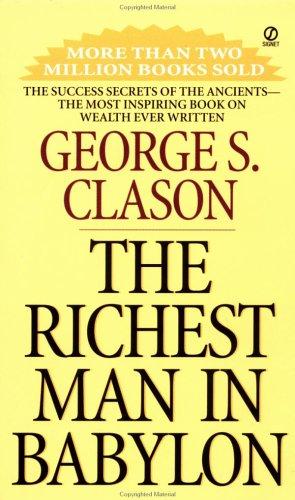
Talk to The Richest Man in Babylon like its author wrote you back.
Get the ideas that fit your life — not generic summaries.
- Chat with the book
- Audiobook-style main ideas
- Adapts to your life and goals
- Helps you take action
What it argues
The Richest Man in Babylon is George S. Clason's collection of parables set in ancient Babylon, each illustrating a financial principle through the stories of merchants, tradesmen, and scholars. First published as pamphlets distributed through banks and insurance companies beginning in 1926, the stories were eventually collected into this book, which has sold millions of copies over nearly a century. The setting is deliberately timeless — the problems of saving, debt, and wealth that Babylonian artisans face are identical to the problems modern readers face.
The central figure is Arkad, the richest man in Babylon, who shares his principles with those who seek his counsel. The most famous is "pay yourself first" — save at least one-tenth of everything you earn before spending on anything else. This principle, simple to state and difficult to maintain, is the foundation of wealth accumulation regardless of income level. Arkad argues that a man who saves a portion of every coin that comes to him will accumulate wealth, while a man who spends everything regardless of income will remain poor.
What it gets right
- 1.
Pay yourself first: save at least one-tenth of everything you earn before you spend anything. This single rule, maintained consistently, builds wealth regardless of income.
- 2.
Control your expenditures. The size of your purse grows through spending less than you earn, not through earning more. Lifestyle inflation defeats every income increase.
- 3.
Make your gold work for you. Savings that sit idle produce nothing. Money invested produces more money without requiring your labor.
What it covers
Who wrote it
George S. Clason (1874–1957) was an American businessman and writer who founded the Clason Map Company of Denver, Colorado, publisher of road atlases and business maps. He began writing the Babylonian parables as pamphlets in 1926, which were distributed by banks and insurance companies to their customers as a customer education resource. The parables were eventually collected into the book that bears the title of the first and most famous story. Clason wrote several dozen parables in total, of which this collection is the most well-known. The book has remained continuously in print since its initial publication and has sold tens of millions of copies worldwide in many…
