Talk to Mindful Leadership like its author wrote you back.
Get the ideas that fit your life — not generic summaries.
- Chat with the book
- Audiobook-style main ideas
- Adapts to your life and goals
- Helps you take action
Mindful Leadership, in detail
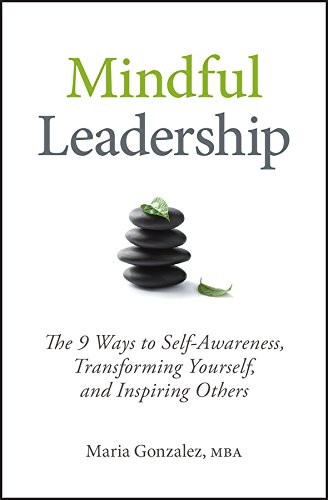
Mindful Leadership is Maria Gonzalez's argument that mindfulness practice is not a wellness accessory for leaders but a core performance tool. Gonzalez, a management consultant and mindfulness teacher, draws on her work with executives and organizations to make the case that the reactive, distracted mode most leaders operate in produces measurably worse decisions, worse relationships, and worse results than a more deliberate, present-centered approach. The book is both a practical guide to mindfulness practice and an application of that practice to the specific demands of organizational leadership.
Gonzalez introduces mindfulness through the lens of focus and attention management. Leaders are constantly pulled between demands — email, meetings, strategic planning, people problems — and the default response is to multitask and react. She argues that this mode of operating is cognitively expensive and relationship-damaging, and that mindfulness practice trains the capacity to choose where attention goes rather than having it captured by whatever is loudest. This, she argues, is a prerequisite for the kind of presence that effective leadership requires.
The book moves through applications across leadership contexts: listening in conversations, managing emotional reactivity in conflict, maintaining strategic clarity under pressure, and sustaining energy over long periods. Gonzalez draws on Buddhist mindfulness traditions but keeps the framing practical and secular. She provides guided practices and exercises throughout, making the book partly a workbook. The emphasis is on building a sustainable daily practice rather than occasional retreat-style immersion.
The book will resonate most with leaders who have noticed that busyness is not the same as effectiveness, and who suspect that their own internal state affects their team's performance more than they'd like to admit. Gonzalez doesn't oversell mindfulness as a cure for organizational problems, but she makes a credible case that a leader who can manage their own attention and reactivity will make better decisions and lead more effectively than one who cannot.
The big ideas
- 1.
Mindfulness is attention training, not relaxation. The goal is the capacity to choose where attention goes rather than having it captured by whatever is most urgent or emotionally salient.
- 2.
Leader reactivity is contagious. When a leader operates from anxiety or distraction, it shapes the emotional tone of the whole team in ways that compound over time.
- 3.
Multitasking is a myth for cognitively complex work. Switching between tasks costs more than people realize and degrades the quality of thinking on each.
