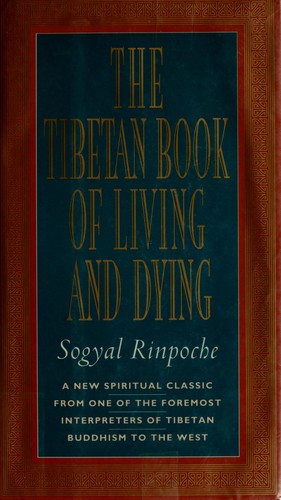
Talk to The Tibetan Book of Living and Dying like its author wrote you back.
Get the ideas that fit your life — not generic summaries.
- Chat with the book
- Audiobook-style main ideas
- Adapts to your life and goals
- Helps you take action
What it argues
The Tibetan Book of Living and Dying is Sogyal Rinpoche's comprehensive introduction to the Tibetan Buddhist understanding of death and the dying process, written for a Western audience unfamiliar with the tradition. First published in 1992, it became an unexpected bestseller and remains the standard modern gateway to teachings that were once confined to highly trained practitioners. It draws on the Bardo Thodol (the Tibetan Book of the Dead), the wisdom of Sogyal's own teachers, and practical guidance for living and for supporting the dying.
The book's central premise is that how we die is determined by how we live, and that understanding death is the key to living fully. Sogyal argues that Western culture's denial of death — its relentless focus on youth, productivity, and distraction — is not just a practical failure but a spiritual one. The Tibetan tradition invites practitioners to contemplate impermanence and death not as morbid exercises but as the most direct path to understanding what matters. If we lived knowing we would die today, most of what we treat as urgent would dissolve, and most of what we neglect would come into clear focus.
What it gets right
- 1.
The quality of death is determined by the quality of life: the meditation practices, the cultivation of awareness and compassion, are preparation for the moment of death.
- 2.
Impermanence is not a problem to be solved but the fundamental nature of conditioned existence; recognizing it fully changes everything about how we live.
- 3.
The bardos are transitional states — in dying, between death and rebirth — where the nature of mind is directly accessible to the practitioner.
What it covers
Who wrote it
Sogyal Rinpoche (1947–2019) was a Tibetan Buddhist teacher who trained under some of the greatest masters of the 20th century, including Jamyang Khyentse Chokyi Lodro and Dilgo Khyentse Rinpoche. He studied comparative religion at Cambridge and founded Rigpa, an international network of Buddhist centers. The Tibetan Book of Living and Dying, published in 1992, brought Tibetan teachings on death and consciousness to a global audience and was translated into over thirty languages. His later years were marked by serious allegations of misconduct that led to his resignation from Rigpa in 2017.
