Talk to Turning Pro like its author wrote you back.
Get the ideas that fit your life — not generic summaries.
- Chat with the book
- Audiobook-style main ideas
- Adapts to your life and goals
- Helps you take action
Turning Pro, in detail
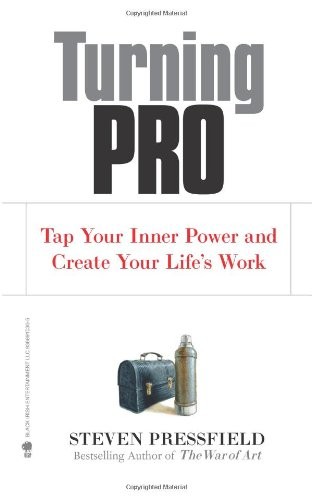
Turning Pro is Pressfield's follow-up to The War of Art, taking the Professional/Amateur distinction and developing it into a full examination of what the shift actually looks like — and what it costs. Where The War of Art focused primarily on Resistance as an external enemy to overcome, Turning Pro looks inward at the Amateur: the person who is still negotiating with their calling, still hedging, still looking for a comfortable version of the commitment.
Pressfield argues that the Amateur, in his definition, is not someone who is unskilled but someone who hasn't yet given themselves fully to their work. Amateurs are defined by shadow careers — activities that look like their calling but allow them to avoid the real one. They are defined by addictions: not just to substances, but to any pattern of distraction that helps them avoid confronting the work. The Amateur's life is organized around managing the anxiety of facing the work rather than doing it.
Turning Pro is a meditation on the moment of commitment — what it requires, what it costs, and what it transforms. Pressfield is autobiographical here, drawing on his years of struggle and the specific moment he stopped negotiating. He argues that turning pro is a decision and a posture, not an achievement. You don't wait until you're good enough; you adopt the professional posture now and let the work improve.
The book is shorter and more personal than The War of Art, and some readers find it redundant if they've already absorbed the predecessor. But Pressfield adds something important: the idea that the Amateur's shadow career, addictions, and distractions are symptoms of a deeper avoidance — and that until you identify what you're truly avoiding, no amount of technique will help.
The big ideas
- 1.
The Amateur has not yet committed fully to their calling. They hedge, maintain shadow careers, and organize their life around avoiding the anxiety of facing their real work.
- 2.
Shadow careers look like your calling but let you avoid the real commitment. A person who wants to write novels might teach writing; a would-be painter might manage an art gallery.
- 3.
Addiction, in Pressfield's broadest sense, is any pattern of behavior that numbs or distracts the practitioner from confronting the work. Technology, food, social media, and busyness are all forms.
