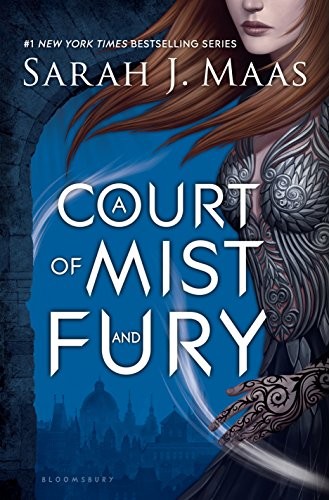
Talk to A Court of Mist and Fury like its author wrote you back.
Get the ideas that fit your life — not generic summaries.
- Chat with the book
- Audiobook-style main ideas
- Adapts to your life and goals
- Helps you take action
What it argues
A Court of Mist and Fury begins where A Court of Thorns and Roses ended: Feyre is back in the Spring Court with Tamlin, but she is not the same person who left. The trials she survived have marked her, and she is struggling — with nightmares, with stillness, with a domesticated life she chose but that has quietly become a cage. When a magical bargain forged in the previous book comes due, she is taken to the Night Court and to Rhysand, a character the first novel coded as threatening villain. The second book is largely the project of revising that reading.
This is the novel Maas fans point to when they argue the series transcends its genre. The Night Court and Velaris are richly imagined; the ensemble cast — Cassian, Azriel, Morrigan, Amren — has genuine personality and history; and Feyre's arc, from traumatized survivor learning to function again to an agent of her own story, is written with more psychological honesty than the first book managed. The pivot on Rhysand — from antagonist to love interest to the character most readers name as the reason they stayed in the series — is the novel's central achievement and its central risk. Whether it works depends on whether you accept the recontextualization Maas asks you to perform.
What it gets right
- 1.
The novel's central argument is that the version of love that controls, protects, and contains is not love — and that this truth can be concealed inside genuine affection for a long time.
- 2.
Feyre's PTSD is treated with more specificity than most fantasy allows: the hypervigilance, the smallness, the loss of appetite, the dreams. It gives her arc real psychological weight.
- 3.
Rhysand's recontextualization is the book's boldest gamble. Whether it works depends on whether you accept that a character can be cruel in one context and compassionate in another for reasons that both make sense.
What it covers
Who wrote it
Sarah J. Maas is an American fantasy author whose series — the Throne of Glass, A Court of Thorns and Roses, and Crescent City trilogies — have collectively sold tens of millions of copies worldwide. She began writing Throne of Glass as a teenager posting on FictionPress. A Court of Mist and Fury was published in 2016 as the second book in the ACOTAR series and is widely regarded as the novel that transformed the series from popular YA-adjacent fantasy into a cultural touchstone for adult romantasy readers. She lives in Pennsylvania with her family.
