Talk to Bad Pharma like its author wrote you back.
Get the ideas that fit your life — not generic summaries.
- Chat with the book
- Audiobook-style main ideas
- Adapts to your life and goals
- Helps you take action
What it argues
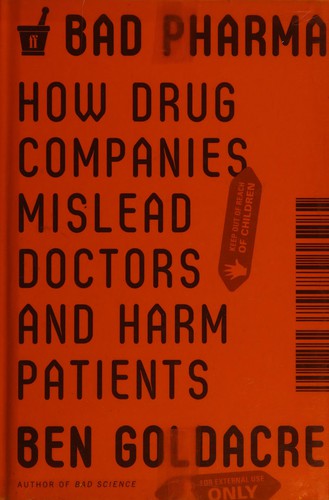
Bad Pharma is Ben Goldacre's sustained indictment of the pharmaceutical industry's manipulation of clinical trial evidence, and of the regulatory and academic institutions that have failed to stop it. Where Bad Science was primarily about pseudoscience and media failures, Bad Pharma is focused on a more troubling problem: the systematic corruption of the medical evidence base by companies with enormous financial incentives to produce favorable-looking results for drugs that are, in many cases, no better than existing alternatives.
The book's central argument is about missing data. Pharmaceutical companies run many trials, publish the ones with positive results, and bury the ones with negative or ambiguous findings. Regulators see trial data that companies choose to submit; doctors and patients see only what gets published. The consequence is that the published medical literature is systematically biased toward overstating treatment benefits and understating harms. Goldacre documents this through specific cases — Tamiflu, antidepressants, rosiglitazone — where missing trials materially changed the risk-benefit calculation that doctors and patients were making.
What it gets right
- 1.
Selective publication of clinical trial results means doctors prescribe drugs based on a biased subset of the evidence. Negative trials routinely go unpublished.
- 2.
The Tamiflu case study showed that governments stockpiled billions of dollars of medication based on studies that were never published and turned out to have inflated benefit claims.
- 3.
Trial design can legally produce favorable-looking results without fraud: using the wrong comparator, measuring surrogate endpoints, enrolling patients unlikely to show side effects.
What it covers
Who wrote it
Ben Goldacre is a British physician, epidemiologist, and science writer. He holds a medical degree from Oxford and a PhD in epidemiology from University College London. He founded the AllTrials campaign advocating for full clinical trial transparency and has advised governments and health systems on evidence-based policy. He ran the Bad Science column in The Guardian from 2003 to 2011. Bad Pharma, his second book, grew from his work documenting industry manipulation of clinical trial evidence and has influenced regulatory policy in the UK and European Union.
