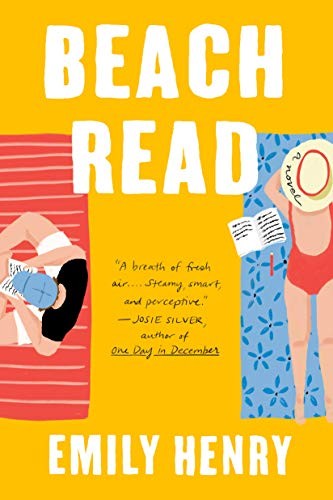
Talk to Beach Read like its author wrote you back.
Get the ideas that fit your life — not generic summaries.
- Chat with the book
- Audiobook-style main ideas
- Adapts to your life and goals
- Helps you take action
Beach Read, in detail
January Andrews is a romance novelist who has completely lost faith in love after discovering her late father had a secret mistress for years. She inherits his lakeside cottage, can't write, and finds herself neighbors with Augustus Everett, a literary fiction author she knew in college who is her creative opposite in every way. They make a bet: each will write the other's genre for the summer. January will attempt literary fiction; Gus will attempt romance. While they help each other with research, they fall in love despite themselves.
Emily Henry's debut novel is fundamentally about cynicism — how grief manufactures it, what it costs, and what it takes to set it down. January's romantic faith shattered not when a boyfriend disappointed her but when her father did, which is both more interesting than most romance setups and the source of the book's actual emotional stakes. The father plot — discovering the affair, processing the cottage inheritance, finding letters from the woman she didn't know about — runs parallel to the central romance and does considerably more emotional work than the love story.
What makes Beach Read better than its title suggests is the genre metacommentary. January and Gus's bet forces both of them to engage seriously with what the other writes: why literary fiction so often aestheticizes suffering, why romance demands hope as a feature rather than a consolation. The book doesn't fully resolve that tension but it takes it seriously. Henry writes the romance-novelist protagonist as someone who defends her genre intelligently, not as someone who apologizes for it.
The banter is genuinely funny, which matters because the book's first half runs almost entirely on dialogue chemistry. The second half is where the grief work happens and where Henry earns the romantic resolution. This is a summer read that is smarter than it needs to be and about something real — the way a parent's failure can collapse your entire architecture of belief — while still delivering the genre pleasures it promises. Readers who dismiss romance will be more engaged than they expect; readers who love romance will find the literary scaffolding a feature rather than a drag.
The big ideas
- 1.
January's cynicism about love is rooted in her father's betrayal, not a romantic disappointment — which makes it more intractable and the book's emotional arc more interesting.
- 2.
The genre bet is Henry's way of taking the romance/literary fiction divide seriously as an intellectual question, not just a marketing category.
- 3.
Gus's literary fiction is described as bleak and formally rigorous; January's romance is warm and commercially successful. Their swap forces each to confront what they've been avoiding emotionally.
