Talk to Eating Animals like its author wrote you back.
Get the ideas that fit your life — not generic summaries.
- Chat with the book
- Audiobook-style main ideas
- Adapts to your life and goals
- Helps you take action
Eating Animals, in detail
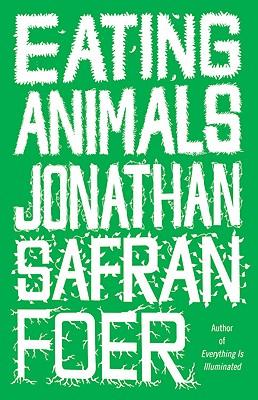
Eating Animals began as a project to understand what food Foer would feed his newborn son. It became a three-year investigation into factory farming — how it works, what it costs, and whether any form of meat eating can be ethically defended. Foer is a novelist, not a journalist or scientist, and the book reads accordingly: it is personal, digressive, and more interested in moral and narrative complexity than in policy recommendations or dietary prescriptions.
The book's most disturbing material comes from Foer's attempts to gain access to industrial farms. Factory farming, he argues, is built on concealment: the industry has lobbied successfully for ag-gag laws and resists inspection, because what happens inside is difficult to reconcile with the values most Americans hold about animal welfare. He describes the conditions for chickens, pigs, and turkeys raised industrially — the densities, the genetic modifications for rapid growth, the pharmaceuticals, the byproducts that end up in feed — and makes the case that no individual farmer is the villain; the system itself produces these outcomes.
Foer also pursues alternatives, including small farms and a turkey farmer who raises heritage breeds outdoors. These alternatives exist but are marginal — they cannot supply the volume that Americans currently consume. The book is honest about this limitation: if everyone who read it stopped eating factory-farmed meat, the supply chain could not replace it with humane alternatives.
What distinguishes Eating Animals from other food advocacy books is its willingness to sit with ambivalence. Foer does not arrive at clean conclusions. He acknowledges that he loves food, that food is culture and family and memory, and that his grandmother's roast chicken is implicated in all of this. He ultimately chooses not to eat animals, but he presents the decision as genuinely difficult rather than obvious, and he does not argue that readers are obligated to follow. The strongest argument in the book is not "don't eat meat" but "don't not think about it."
The big ideas
- 1.
Factory farming is the dominant system for producing meat in the United States, and its conditions — for animals, workers, and the environment — are deliberately kept out of public view.
- 2.
The chicken, turkey, and pig bred for industrial production are genetically so different from their ancestors that many cannot walk, reproduce naturally, or survive outside their industrial environment.
- 3.
Antibiotic use in industrial livestock is a major driver of antibiotic-resistant bacteria, a public health risk that extends well beyond consumers of that meat.
