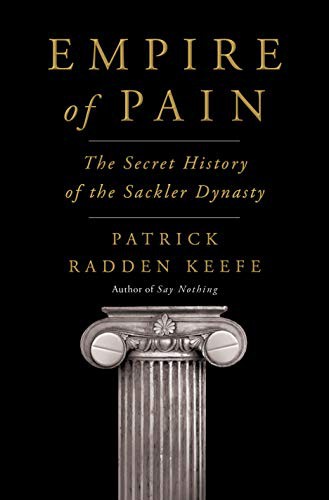
Talk to Empire of Pain: The Secret History of the Sackler Dynasty like its author wrote you back.
Get the ideas that fit your life — not generic summaries.
- Chat with the book
- Audiobook-style main ideas
- Adapts to your life and goals
- Helps you take action
What it argues
Empire of Pain is Patrick Radden Keefe's account of the Sackler family — the dynasty behind Purdue Pharma and the opioid crisis — told across three generations. Keefe is a staff writer at The New Yorker and a meticulous investigative reporter, and the book reads like a long-form criminal history rather than a polemic. The result is more disturbing for its restraint.
The first generation centers on Arthur Sackler, a psychiatrist and art collector who built his fortune in pharmaceutical advertising in the 1950s and 60s. Arthur helped pioneer the aggressive marketing of prescription drugs to doctors, essentially inventing the modern pharmaceutical sales model. He died before OxyContin was developed, but his template — sell the drug by selling the doctor — is the one Purdue would later use to catastrophic effect. Keefe treats Arthur with careful ambivalence: a genuinely brilliant and cultured man who also had a talent for self-serving rationalizations.
What it gets right
- 1.
Arthur Sackler invented the modern pharmaceutical marketing playbook: target prescribers, not patients, and use advertising to shape how doctors understand risk and benefit.
- 2.
Purdue Pharma's launch of OxyContin in 1996 relied on misleading claims about addiction risk. Internal documents show the company understood the danger and chose not to correct it.
- 3.
The opioid crisis was not accidental. It emerged from deliberate marketing decisions made by named individuals — decisions that were profitable and largely unpunished.
What it covers
Who wrote it
Patrick Radden Keefe is a staff writer at The New Yorker and the author of Say Nothing, a 2019 investigation into a murder during the Troubles in Northern Ireland that became a bestseller on both sides of the Atlantic. His earlier book The Snakehead examined human smuggling networks, and his 2022 collection Rogues gathered his long-form New Yorker profiles of criminals and con artists. Empire of Pain won the Baillie Gifford Prize for Non-Fiction in 2021. Keefe is known for narrative-driven reporting built on years of documents, court filings, and sourcing.
