History · Book club
How Music Works book club questions
Here are 11 book club questions for How Music Works by David Byrne, ordered to open easily and end somewhere worth arguing about. Copy them, print them, or bring them up one at a time.
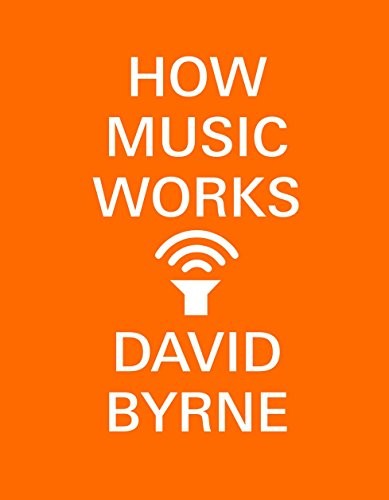
David Byrne's central provocation in How Music Works is that music doesn't emerge from individual genius and then find a context — the context shapes and creates the music.
David Byrne · 2012 · 7h 0m
Full summary and key takeaways →The 11 questions
- 1.
Byrne's central argument is that context creates music, not the other way around. Can you think of examples from music you know that support or complicate this claim?
- 2.
He argues that recorded music has been permanently shaped by how it is consumed — in cars, through headphones, in earbuds. How has the shift to streaming changed what gets produced, in your observation?
- 3.
Byrne's chapter on the business models available to musicians was written in 2012. How have those options changed, and what new constraints and freedoms have emerged?
- 4.
He argues that collaboration imposes productive constraints. Does that match your experience of collaboration in your own work, or does constraint in collaboration usually feel like limitation rather than generative pressure?
- 5.
Byrne is explicit about the African influences on rock and pop. Do the histories you've encountered of popular music handle those influences adequately?
- 6.
He argues that genre functions as a collective agreement. What genres do you participate in as a listener, and what are the unspoken rules you've absorbed?
- 7.
The book was written by a working musician reflecting on his own practice. Does that perspective give it authority, or does it limit how systematically he can analyze his own assumptions?
- 8.
Byrne is interested in why dancing and music evolved together. What does the bodily, physical dimension of music experience mean for how we should think about listening?
- 9.
He discusses how the loudness wars in recorded music — competitive mastering to make tracks sound louder — changed the music itself. Are there equivalents in other creative fields?
- 10.
What's the most surprising thing in the book — the idea or observation that most changed how you thought about music?
- 11.
Byrne is curious about many things, and the book reflects that breadth. Does that make it more interesting or less focused than a narrower account would be?
How to run the discussion
- Pick six to eight, not all of them. An hour of real discussion covers fewer questions than anyone expects, and racing the list is what makes a book club feel like homework.
- Open with what people noticed, not what they concluded. Asking for a verdict first hardens opinions before anyone has heard each other.
- Let the disagreement run. The questions below that split a room are the ones worth the time; the ones everyone answers the same way can be skipped.
- Ask the quiet person a specific question. A direct, narrow question is far easier to answer than an open invitation to contribute.
Themes worth steering toward
If the conversation stalls, these are the threads that usually restart it.
Common questions
What are good book club questions for How Music Works?
Here are 11 book club questions for How Music Works by David Byrne, ordered to open easily and end somewhere worth arguing about. The strongest openers ask what each reader noticed rather than what they concluded, and the discussion usually turns on music, creativity, culture.
How long should a book club discussion of How Music Works last?
Most groups run 60 to 90 minutes of actual discussion. That is roughly six to eight questions, not all of them, so pick the ones that suit your group rather than working down the list in order.
What are the main themes in How Music Works?
Music, Creativity, Culture, Technology and art, Performance, Music industry. Those are the threads most likely to divide a room, which makes them the useful places to steer a discussion that has gone quiet.
Picking the next one? See books like How Music Works or questions for other book club picks.
