How it works
Chat with your books
Chatting with a book means asking it your own questions and getting answers drawn from its actual contents, rather than reading a fixed summary written for a general reader. Superbook holds 1,840 of them, and is free to start.
The question a summary cannot answer
A summary answers the question "what is this book about?" once, for everybody. A conversation answers "what does this book say about my problem?" — which is a different question, and the one most people actually have when they pick a book up.
Notice what happens when you read advice you care about. You do not finish the paragraph and move on; you start arguing with it. Does this hold when the team is remote? What if the author is wrong about the incentive? A book cannot hear any of that, and neither can a summary of one. That gap between what you read and what you wanted to ask is the entire idea.
What that looks like
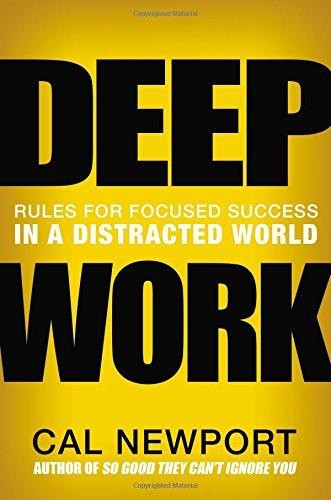
“I get interrupted every twenty minutes in an open office. Which parts of this actually apply to me?”
A summary tells you deep work matters. It cannot tell you which of Newport’s four philosophies survives an environment you do not control.
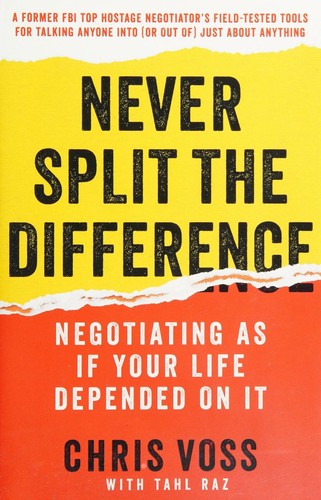
Never Split the Difference · Chris Voss
“Walk me through using tactical empathy in a salary negotiation next Tuesday.”
The book has the technique; you have the meeting. The useful version is the two combined.
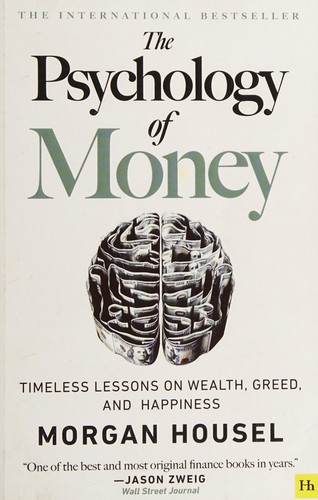
The Psychology of Money · Morgan Housel
“I am 34 with no savings and unstable income. Which chapters are written for someone like me?”
Housel writes for a general reader. Your situation narrows which of his arguments actually bind.
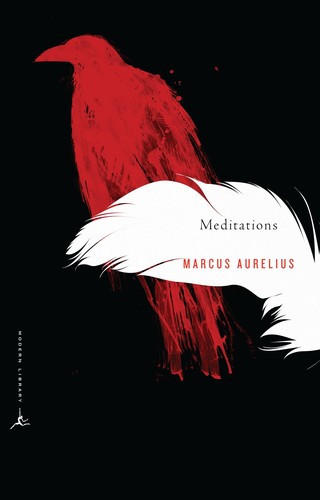
“What would Marcus Aurelius say about a manager who takes credit for my work?”
Two thousand years old and never indexed for your problem. Asking is how you find the relevant passage.
When it helps, and when it does not
Worth it
- You are facing a real decision and want to know which parts of a book bind in your case.
- You read a chapter and did not fully follow the argument.
- Two books you trust disagree and you want the disagreement laid out.
- You want to get into a dense or intimidating book without starting at page one.
Reach for something else
- You want a number to go up. If streaks and daily goals are what keep you reading, a habit-first app will hold you better.
- You are scanning forty books to see which deserve attention. Breadth is what the big summary libraries are for.
- You want the prose itself. Nothing replaces reading a well-written book; this is for pressing on it.
Common questions
What does it mean to chat with a book?
It means putting a question to the book in plain language and getting an answer grounded in what that book actually says, with the ability to follow up. Instead of reading a condensation someone else wrote, you interrogate the source directly and steer it toward whatever you are trying to work out.
How is chatting with a book different from a summary?
A summary is written once, for everybody, and fixed at the moment it was made. A conversation is generated for the question you asked. Summaries answer "what is this book about"; a conversation answers "what does this book say about my problem", which is usually the question people actually have.
Is chatting with a book the same as using ChatGPT?
They overlap, but a general chatbot answers from a blur of everything it has read and is prone to inventing plausible detail about a specific book. A dedicated reading app is grounded in the individual title, so answers stay tied to what that author actually argued rather than to a general impression of the genre.
Do I need to have read the book first?
No. You can start from a question and let the answers show you which parts of the book matter to you, which is often a faster route in than reading front to back. It also works well alongside reading, as a way to press on a chapter you did not fully follow.
What kinds of questions work best?
Specific ones. "Summarise this book" gets you something a summary app already does better. The questions worth asking are the ones with your circumstances in them: how this applies to a team of your size, what the author would say about your particular constraint, or where two books you have read disagree.
Comparing options? See the book summary apps compared or Blinkist alternatives by reason.
