Memoir · Book club
Hunger book club questions
Here are 12 book club questions for Hunger by Roxane Gay, ordered to open easily and end somewhere worth arguing about. Copy them, print them, or bring them up one at a time.
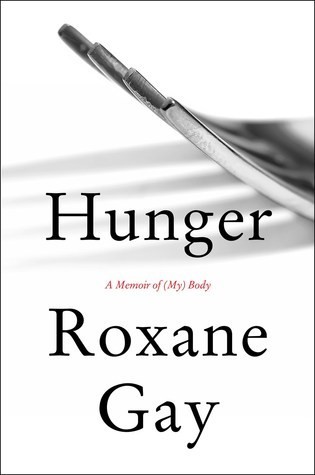
Hunger is Roxane Gay's memoir about her body, the trauma that shaped it, and the world's persistent refusal to accommodate it.
Roxane Gay · 2017 · 3h 45m
Full summary and key takeaways →The 12 questions
- 1.
Gay describes building her body as a form of protection after trauma. Had you encountered that framing before reading this book? How does it change how you think about overeating?
- 2.
The book is deliberately unresolved — Gay does not achieve peace with her body by the end. Does that feel honest or unsatisfying, and why?
- 3.
What messages did you receive growing up about body size and worth? How much of your current relationship with your own body traces back to those messages?
- 4.
Gay writes about the specific physical barriers she encounters in daily life — plane seats, restaurant chairs, medical equipment. Did her account change how you think about how spaces are designed?
- 5.
The book distinguishes between health as a genuine concern and health as a cover for contempt. How do you identify which motivation is operating in a given conversation about body size?
- 6.
Gay is forthright about the events that shaped her eating. What would it take to be that honest about the origins of your own habits?
- 7.
Hunger is a memoir, not a self-help book. It offers no program or resolution. What kind of reader is best served by that choice, and who might find it frustrating?
- 8.
The cultural forces Gay describes — media, design, medicine, daily social interaction — all treat large bodies as failures. How much individual behavior can actually change in that environment versus how much structural change is required?
- 9.
Gay writes as both a personal witness and a cultural critic. Which mode did you find more compelling?
- 10.
The book has been criticized for not being more prescriptive. Do you think memoirs about illness, trauma, or the body have an obligation to offer guidance to readers in similar situations?
- 11.
If you have not experienced the daily frictions Gay describes, what did reading about them teach you? If you have, did the book reflect your experience accurately?
- 12.
Gay says she is working toward not just accepting her body but befriending it. What does that distinction mean to you?
How to run the discussion
- Pick six to eight, not all of them. An hour of real discussion covers fewer questions than anyone expects, and racing the list is what makes a book club feel like homework.
- Open with what people noticed, not what they concluded. Asking for a verdict first hardens opinions before anyone has heard each other.
- Let the disagreement run. The questions below that split a room are the ones worth the time; the ones everyone answers the same way can be skipped.
- Ask the quiet person a specific question. A direct, narrow question is far easier to answer than an open invitation to contribute.
Themes worth steering toward
If the conversation stalls, these are the threads that usually restart it.
Common questions
What are good book club questions for Hunger?
Here are 12 book club questions for Hunger by Roxane Gay, ordered to open easily and end somewhere worth arguing about. The strongest openers ask what each reader noticed rather than what they concluded, and the discussion usually turns on body image, trauma, identity.
How long should a book club discussion of Hunger last?
Most groups run 60 to 90 minutes of actual discussion. That is roughly six to eight questions, not all of them, so pick the ones that suit your group rather than working down the list in order.
What are the main themes in Hunger?
Body image, Trauma, Identity, Fatness, Survival. Those are the threads most likely to divide a room, which makes them the useful places to steer a discussion that has gone quiet.
Picking the next one? See books like Hunger or questions for other book club picks.
