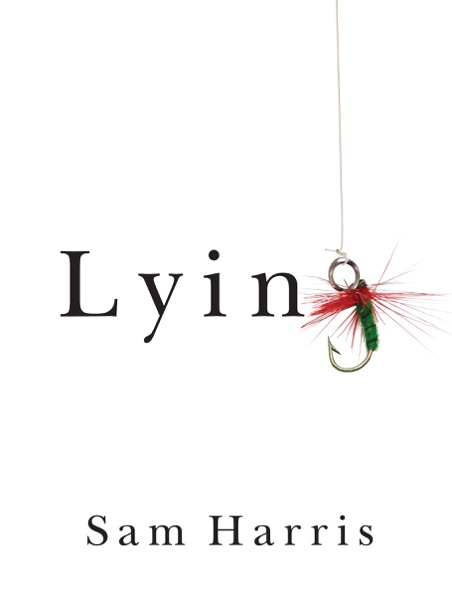
Talk to Lying like its author wrote you back.
Get the ideas that fit your life — not generic summaries.
- Chat with the book
- Audiobook-style main ideas
- Adapts to your life and goals
- Helps you take action
Lying, in detail
Lying is a short philosophical essay — barely 80 pages — in which Sam Harris argues that lying is almost never justified and that most people dramatically underestimate its costs. The book emerged from a course Harris took at Stanford with philosopher Ronald Howard, whose unflinching rejection of deception influenced Harris's thinking for decades. The central thesis is stark: if you care about honesty as a value, you must be willing to follow it into uncomfortable territory, including conversations where a "white lie" seems kind or harmless.
Harris distinguishes between sincere assertions — genuine first-person claims about what you believe — and performative assertions, where both parties understand no literal claim is being made. Social pleasantries, fiction, roleplay, and acting do not violate the norm against lying because both parties have the same understanding. What does violate it is any attempt to create a false belief in someone's mind without their consent. By this standard, white lies are still lies: they substitute your judgment about what someone can handle for their own capacity to hear the truth.
The core argument against lying is not merely deontological. Harris makes a consequentialist case as well. Lies erode trust when they are discovered. They require further lies to maintain. They deprive the person you are lying to of accurate information they could use to improve their situation. A friend who lies to spare your feelings about your mediocre business plan is not being kind — she is denying you feedback that could save you years of effort. The doctor who lies to a patient to avoid distress is treating the patient as incapable of handling their own life.
The book is brief enough to read in an afternoon. Its weakness is that it does not engage seriously with the hardest cases — the murderer at the door, lying to protect someone from persecution — and Harris dispatches these scenarios quickly rather than sitting with them. What it does well is reframe everyday social dishonesty as a habit with real costs, and make the case that most people are lying more than they need to and that stopping is harder than it sounds.
The big ideas
- 1.
Most lies, including white lies, substitute your judgment for another person's about what they can handle. That is a form of disrespect.
- 2.
Lying requires cognitive overhead: you must track the false belief you have created and prevent it from being exposed. Honesty is simpler.
- 3.
The consequentialist case against lying: when lies are discovered, they destroy trust. The relationship cost typically exceeds whatever the lie was protecting.
