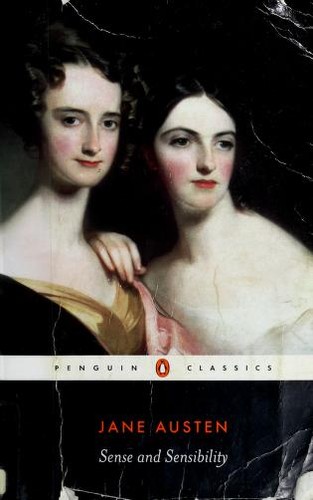
Talk to Sense and Sensibility like its author wrote you back.
Get the ideas that fit your life — not generic summaries.
- Chat with the book
- Audiobook-style main ideas
- Adapts to your life and goals
- Helps you take action
Sense and Sensibility, in detail
Two sisters, dispossessed by the legal mechanics of entail after their father's death, move to a smaller house in Devonshire with reduced means and reduced prospects. Elinor is twenty-one, controlled, and perceptive; Marianne is seventeen, romantic, and openly contemptuous of emotional restraint. The novel is about what happens when each sister's dominant quality is tested by experience. Elinor discovers that composure is not the same as feeling nothing. Marianne discovers that romantic intensity is not the same as wisdom.
Austen's title is a trap. The older critical reading casts Elinor as the novel's moral ideal — all sense — and Marianne as cautionary excess — all sensibility. But the novel is less schematic than that. Elinor suffers. She suppresses genuine grief while performing social equanimity, and Austen doesn't reward her with numbness — she is in pain throughout. Marianne is not simply punished for feeling deeply; she is punished for attaching her feelings to a man who doesn't deserve them and for refusing to look at evidence. The real target is Willoughby, and the real argument is about what women are left with when the men who seem to understand them turn out to be operating on different rules.
This was Austen's first published novel, and it's rougher than what followed. The plot depends heavily on coincidence and characters appearing at convenient moments. The ending marriages feel more engineered than earned. But the emotional core holds up: the long middle section where both sisters are waiting for news they dread, each managing it differently, is psychologically precise. And Willoughby's late confession — half-genuine, half-self-serving — is one of the more interesting villain turns in the period.
Readers who come from Pride and Prejudice will find less ironic sparkle here. The social comedy is sharper in the later novel. But Sense and Sensibility is more openly interested in the specific damage that a system without independent income does to intelligent women. It's less funny and more brutal in that way, which for some readers makes it more valuable.
The big ideas
- 1.
Emotional restraint is not the same as emotional absence. Elinor is one of literature's great sufferers in silence, and Austen doesn't let you mistake control for indifference.
- 2.
Marianne's problem is not that she feels too much but that she refuses to audit her feelings — to check whether the object is worthy of them.
- 3.
The entail system, which stripped daughters of inheritance in favor of male heirs, is not background detail. It is the central fact that puts every female character in a condition of precarity.
