Stamped from the Beginning: The Definitive History of Racist Ideas in America by Ibram X. Kendi is a 2016 history book about racism, ideas, american history. Racist policies preceded and produced racist ideas, not the reverse. Ideas were constructed to justify existing hierarchies, not the other way around.
Summary
Stamped from the Beginning is Ibram X. Kendi's history of racist ideas in America, organized around the lives of five figures who embody different relationships to those ideas: Cotton Mather, Thomas Jefferson, William Lloyd Garrison, W.E.B. Du Bois, and Angela Davis. The book won the National Book Award for nonfiction in 2016 and remains one of the most ambitious attempts to trace the intellectual genealogy of American racism from the colonial era to the present.
Kendi's central argument is that racist ideas did not produce racist policies — it was the other way around. Economic and political interests drove the creation of policies that disadvantaged Black Americans, and racist ideas were produced afterward to justify those policies. This reversal of the standard explanation matters because it shifts the focus from persuasion and education — changing minds — to power and policy. Kendi argues that antiracist change requires policy change, not primarily attitude change, and that a history of racist ideas reveals how successfully those ideas have served as cover for material interests.
The three categories Kendi identifies — segregationist, assimilationist, and antiracist — are the analytical spine of the book. Segregationists openly assert Black inferiority. Assimilationists believe Black people are inferior now due to discrimination but capable of equality if properly educated and acculturated — a position Kendi argues is also racist because it attributes current conditions to cultural deficiency rather than policy. Antiracists attribute racial disparities entirely to policy and power. Kendi tracks how each of his five subjects embodies the tensions between these positions, sometimes within a single text or a single life.
The book is long — over five hundred pages — and the argument is more consistently sustained than in much of the literature on this topic. Some readers find the assimilationist category too broadly drawn, and the five-biography structure sometimes feels forced when the historical periods between his subjects require bridging. But as a survey of how racist ideas were constructed, deployed, and maintained across four centuries of American history, it provides a density of evidence and argument that shorter treatments cannot match.

Talk to Stamped from the Beginning: The Definitive History of Racist Ideas in America like its author wrote you back.
Get the ideas that fit your life — not generic summaries.
- Chat with the book
- Audiobook-style main ideas
- Adapts to your life and goals
- Helps you take action
Key takeaways
- 1.
Racist policies preceded and produced racist ideas, not the reverse. Ideas were constructed to justify existing hierarchies, not the other way around.
- 2.
Kendi's three categories — segregationist, assimilationist, antiracist — provide a framework for analyzing any position on racial inequality. Assimilationist ideas, which locate the problem in Black behavior or culture, are also a form of racism.
- 3.
Economic interests have consistently driven the construction of racist ideology. Plantation owners, merchants, and industrialists created and funded ideas that justified systems benefiting them.
- 4.
Antiracism requires opposing racist policies, not simply rejecting prejudice. Individual attitudes are less important than structural arrangements enforced through law and policy.
- 5.
The history of racist ideas in America includes figures traditionally considered progressive — abolitionists, civil rights supporters — who held assimilationist views that Kendi treats as a form of racism.
- 6.
Each generation has produced new forms of racist ideas calibrated to the specific economic and political arrangements of that era. The ideas evolve but the function is consistent.
- 7.
The category of 'uplift' ideology — the idea that Black advancement depends on demonstrating respectable behavior — serves assimilationism by making Black people responsible for their own oppression.
- 8.
W.E.B. Du Bois' intellectual biography, occupying the longest section of the book, illustrates how a single lifetime can span the full range of positions and how those positions are shaped by political conditions.
Discussion questions
Use these on your own, with a book club, or as chat starters in Superbook. Book club version, ready to copy or print →
- 1.
Kendi argues that racist policies came before racist ideas, not after. Does this reversal of cause and effect feel convincing given the historical evidence he presents?
- 2.
The assimilationist category is the most contested part of the book. Do you find it useful to classify 'uplift' ideology and cultural explanation as a form of racism?
- 3.
Kendi places abolitionists and civil rights supporters like Garrison and Du Bois within the assimilationist category for parts of their careers. How does this complicate the standard moral geography of American history?
- 4.
The book argues that education and persuasion alone cannot end racism because the problem is structural, not attitudinal. Do you find this persuasive, or does it dismiss the role of belief change?
- 5.
If you had to apply Kendi's three categories — segregationist, assimilationist, antiracist — to contemporary political arguments about race, where would you locate most mainstream positions?
- 6.
The book is organized around five biography-centered sections. Is the biographical structure a strength or a limitation for an argument about ideas?
- 7.
Du Bois spent decades revising his views on the relationship between racial identity and class and between Black culture and white acceptance. What does his trajectory suggest about the difficulty of holding a consistent antiracist position?
- 8.
Kendi treats 'Black-on-Black crime' rhetoric as a contemporary form of racist idea that locates the problem in Black culture. What is the strongest counterargument to this classification?
- 9.
The book won the National Book Award in 2016 and remains controversial. What specifically seems to generate the most pushback, and what does that tell you?
- 10.
Angela Davis is the final figure in the book. How does her radical political history fit into the antiracist framework Kendi has built?
- 11.
Kendi argues that antiracism requires actively opposing racist policy, not just rejecting racist attitudes. What would it mean to apply that standard to your own professional or civic life?
- 12.
The title comes from a 1787 speech by Senator John C. Calhoun arguing that Black people were stamped from the beginning as inferior. What does Kendi accomplish by taking that phrase as his title?
Themes
Frequently asked questions
-
Is Stamped from the Beginning worth reading?
Yes, if you want a detailed historical account of how racist ideas developed in America. It is more rigorous and exhaustive than most books on the topic. Readers who prefer a shorter introduction might start with How to Be an Antiracist before tackling this longer work.
-
What is the difference between Stamped from the Beginning and How to Be an Antiracist?
Stamped from the Beginning is primarily historical — a detailed account of how racist ideas were constructed over four centuries. How to Be an Antiracist is more personal and prescriptive, applying the same framework to Kendi's own life and offering a guide for antiracist practice. They complement each other.
-
How long does it take to read Stamped from the Beginning?
Around fifteen hours. At over five hundred pages it is the longest and densest of Kendi's books. The evidence is cumulative, so readers who skip sections lose the argumentative thread. Reading in extended sessions works better than short ones.
-
What is the assimilationist trap Kendi describes?
The assimilationist position holds that Black people are currently disadvantaged due to discrimination but could achieve equality through cultural improvement and education. Kendi argues this is also racist because it attributes racial disparities to Black cultural deficiency rather than to ongoing policy and structural factors.
-
Who should read Stamped from the Beginning?
Readers who want to understand the intellectual history of American racism and the arguments that have been used to maintain racial hierarchy. It is most valuable for readers willing to engage with the assimilationist category as a genuinely new framing, not simply reinforcement of existing views.
Similar books
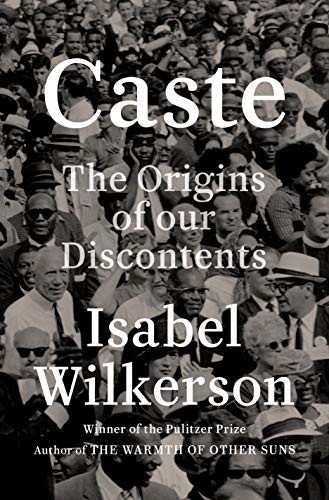
Caste: The Origins of Our Discontents
Isabel Wilkerson
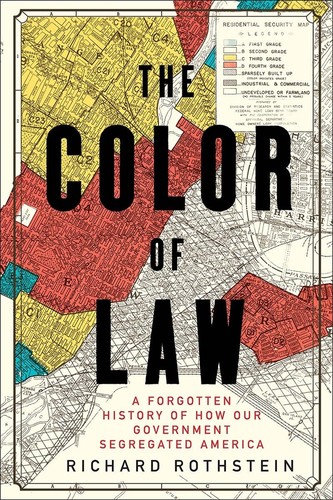
The Color of Law: A Forgotten History of How Our Government Segregated America
Richard Rothstein
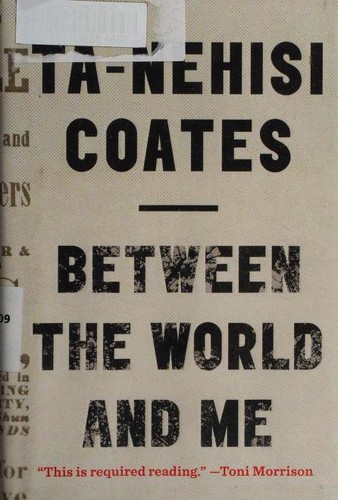
Between the World and Me
Ta-Nehisi Coates
