Classics · Book club
Tess of the d'Urbervilles book club questions
Here are 12 book club questions for Tess of the d'Urbervilles by Thomas Hardy, ordered to open easily and end somewhere worth arguing about. Copy them, print them, or bring them up one at a time.
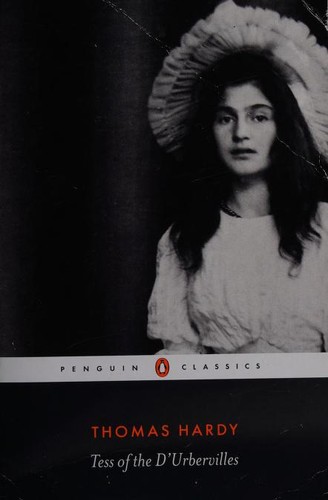
Tess Durbeyfield, the eldest daughter of a poor Dorset family, is sent by her family to seek kinship with the wealthy d'Urbervilles — a family whose ancestral name her father has been told they share.
Thomas Hardy · 1891 · 11h 0m
Full summary and key takeaways →The 12 questions
- 1.
Hardy calls Tess 'a pure woman' on the title page. Do you agree with this characterization? Does the question matter in the way Hardy thinks it does?
- 2.
Angel Clare abandons Tess for the same thing he confesses to her with the expectation of forgiveness. Is the novel's indictment of him fair, or is it too one-sided?
- 3.
Alec's religious conversion — and subsequent relapse — is treated with irony. What does Hardy think genuine repentance would require of Alec? Is it possible?
- 4.
The novel was attacked on publication for its sexual frankness. By contemporary standards, how explicit is it? Does anything about Hardy's treatment of the rape still feel uncomfortable?
- 5.
Tess keeps her past secret from Angel during their courtship. Was she right to do so? Does the novel take a position?
- 6.
Hardy's women are often more sympathetically drawn than his men. Is that true here? What does it mean for the novel's moral argument?
- 7.
The landscape participates in the tragedy — Tess's path is literally shaped by the geography of Dorset. How does Hardy make environment feel fatalistic rather than merely descriptive?
- 8.
The ending at Stonehenge is mythic and unlikely. Does it earn its weight, or does it feel like Hardy reaching for significance he hasn't built to?
- 9.
Tess's family uses her discovery of the d'Urberville connection to send her into harm's way. How much responsibility does the novel assign to her parents?
- 10.
Victorian society blamed Tess; Hardy blamed society. Is that a satisfying moral framework or does it leave Tess without agency?
- 11.
Compare Angel Clare to Clym Yeobright in The Return of the Native. What is Hardy saying, across both novels, about the failure of educated men to practice what they believe?
- 12.
The novel was a bestseller despite (because of?) its controversy. What does that say about what Victorian readers actually wanted from fiction?
How to run the discussion
- Pick six to eight, not all of them. An hour of real discussion covers fewer questions than anyone expects, and racing the list is what makes a book club feel like homework.
- Open with what people noticed, not what they concluded. Asking for a verdict first hardens opinions before anyone has heard each other.
- Let the disagreement run. The questions below that split a room are the ones worth the time; the ones everyone answers the same way can be skipped.
- Ask the quiet person a specific question. A direct, narrow question is far easier to answer than an open invitation to contribute.
Themes worth steering toward
If the conversation stalls, these are the threads that usually restart it.
Common questions
What are good book club questions for Tess of the d'Urbervilles?
Here are 12 book club questions for Tess of the d'Urbervilles by Thomas Hardy, ordered to open easily and end somewhere worth arguing about. The strongest openers ask what each reader noticed rather than what they concluded, and the discussion usually turns on sexual violence and its aftermath, social judgment and hypocrisy, fate and determinism.
How long should a book club discussion of Tess of the d'Urbervilles last?
Most groups run 60 to 90 minutes of actual discussion. That is roughly six to eight questions, not all of them, so pick the ones that suit your group rather than working down the list in order.
What are the main themes in Tess of the d'Urbervilles?
Sexual violence and its aftermath, Social judgment and hypocrisy, Fate and determinism, Purity and the fallen woman, Class and ancestry. Those are the threads most likely to divide a room, which makes them the useful places to steer a discussion that has gone quiet.
Picking the next one? See books like Tess of the d'Urbervilles or questions for other book club picks.
