Philosophy · Book club
The Analects book club questions
Here are 11 book club questions for The Analects by Confucius, ordered to open easily and end somewhere worth arguing about. Copy them, print them, or bring them up one at a time.
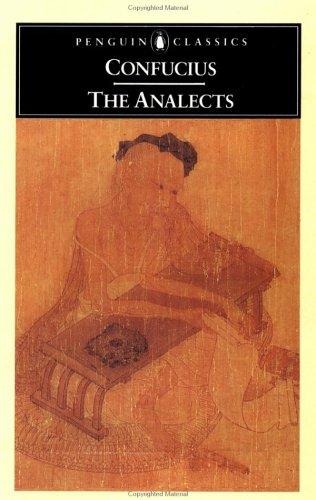
The Analects (Lunyu) is the primary source for Confucian thought — a compilation of sayings, brief dialogues, and anecdotes attributed to Confucius (551–479 BCE) and his disciples, assembled over generations after his death.
Confucius · 1979 · 2h 0m
Full summary and key takeaways →The 11 questions
- 1.
Confucius says learning without thought is wasted effort and thought without learning is dangerous. Which failure do you see more often in yourself?
- 2.
Ren is often translated as benevolence or humaneness but resists any single definition. What is the closest concept in your own moral vocabulary?
- 3.
Confucius grounds ethics heavily in ritual — the proper forms of relationship and ceremony. Does that seem like a conservative constraint on virtue or a necessary social structure?
- 4.
The junzi is defined partly by what they care about (virtue) versus what the petty person cares about (profit). Is that distinction useful today, or does it flatten too much?
- 5.
Governance by moral example is the book's political ideal. Can you think of a leader whose mere presence or conduct changed the behavior of those around them?
- 6.
Confucius repeatedly stresses examining oneself daily. What would a genuine daily self-examination look like for you, and what would you look for?
- 7.
The Analects values transmission of ancient wisdom over innovation. Is there something in your own tradition or field that deserves more careful transmission and less reinvention?
- 8.
The five relationships define the ethical texture of Confucian social life. What relationships in your own life carry the most ethical weight, and what obligations do they impose?
- 9.
Confucius says only those who genuinely love virtue have both the desire to acquire it and the strength to resist what opposes it. What does it mean to genuinely love a virtue rather than merely admiring it?
- 10.
The text assumes a hierarchical social order — deference to elders, rulers, and parents. What elements of that hierarchy seem worth preserving, and what seem like distortions of the ethical ideal?
- 11.
Confucius was largely unsuccessful in his political career, never finding the ruler willing to implement his vision. Does that failure undermine or enrich the authority of the text?
How to run the discussion
- Pick six to eight, not all of them. An hour of real discussion covers fewer questions than anyone expects, and racing the list is what makes a book club feel like homework.
- Open with what people noticed, not what they concluded. Asking for a verdict first hardens opinions before anyone has heard each other.
- Let the disagreement run. The questions below that split a room are the ones worth the time; the ones everyone answers the same way can be skipped.
- Ask the quiet person a specific question. A direct, narrow question is far easier to answer than an open invitation to contribute.
Themes worth steering toward
If the conversation stalls, these are the threads that usually restart it.
Common questions
What are good book club questions for The Analects?
Here are 11 book club questions for The Analects by Confucius, ordered to open easily and end somewhere worth arguing about. The strongest openers ask what each reader noticed rather than what they concluded, and the discussion usually turns on virtue, ritual, governance.
How long should a book club discussion of The Analects last?
Most groups run 60 to 90 minutes of actual discussion. That is roughly six to eight questions, not all of them, so pick the ones that suit your group rather than working down the list in order.
What are the main themes in The Analects?
Virtue, Ritual, Governance, Self-cultivation, Relationships. Those are the threads most likely to divide a room, which makes them the useful places to steer a discussion that has gone quiet.
Picking the next one? See books like The Analects or questions for other book club picks.
