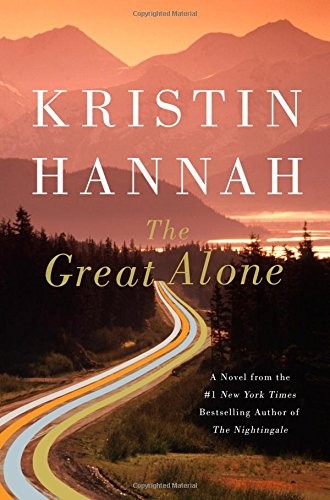
Talk to The Great Alone like its author wrote you back.
Get the ideas that fit your life — not generic summaries.
- Chat with the book
- Audiobook-style main ideas
- Adapts to your life and goals
- Helps you take action
The Great Alone, in detail
In 1974, Ernt Allbright brings his wife Cora and teenage daughter Leni to the Alaskan wilderness. He's a Vietnam vet with untreated PTSD, erratic behavior, and a survivalist conviction that civilization is about to collapse. Alaska is supposed to be a fresh start. Leni, who narrates the novel, is thirteen when they arrive — old enough to know something is wrong with her father, young enough to believe the family can survive it. The wilderness tests them all, and the long Alaskan darkness proves to amplify every instability Ernt carried north.
The novel is two things simultaneously: a vivid portrait of backcountry Alaska in the 1970s, and an account of the logic trap of loving a dangerous person. Hannah doesn't simplify Cora's choices. Cora knows Ernt is getting worse; she stays because leaving feels more dangerous than staying, because she loves him when he isn't like this, because the isolation has stripped away every escape route she might have taken. Hannah renders that psychology with uncomfortable accuracy — the hope, the accommodation, the self-deception that isn't quite self-deception — which is what makes the novel genuinely disturbing rather than merely sad.
Leni's coming-of-age against the backdrop of her father's deterioration is the novel's emotional spine. She falls in love with Matthew Walker, the son of a local man who has a long antagonism with Ernt, which gives the story a Romeo-and-Juliet overlay that is entirely conscious. The Alaskan wilderness — described with obvious affection and real research — is both setting and active force: beautiful and brutal, capable of killing you, indifferent to your personal disasters.
Hannah writes with her usual emotional directness. The prose isn't subtle, but the emotional mechanics are honest, and the darkness she's willing to portray here is more sustained than in The Nightingale. The Great Alone is a harder book than its commercial presentation suggests — a serious look at what it costs to love someone who is destroying you.
The big ideas
- 1.
Hannah doesn't simplify Cora's choices. The novel shows the psychology of staying — hope, love, isolated dependency, the genuine danger of leaving — without judgment or easy resolution.
- 2.
Alaska in the novel is more than scenery. The seasonal darkness, the physical isolation, the requirement of constant effort for survival — all amplify and parallel the family's internal weather.
- 3.
The coming-of-age narrative works because Leni is perceptive enough to see what's happening and powerless enough to not be able to stop it — a genuinely painful combination.
