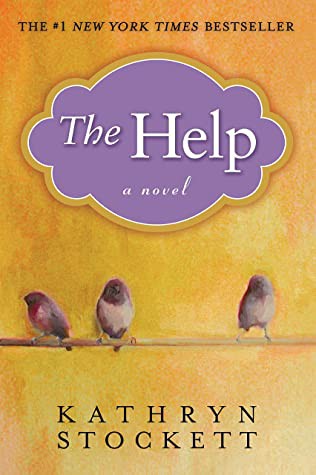
Talk to The Help like its author wrote you back.
Get the ideas that fit your life — not generic summaries.
- Chat with the book
- Audiobook-style main ideas
- Adapts to your life and goals
- Helps you take action
What it argues
Jackson, Mississippi, 1962. Skeeter Phelan is a white college graduate who wants to be a writer and finds herself disturbing a social order her peers are content to maintain. Aibileen Clark and Minny Jackson are Black maids who have spent their working lives inside white homes, raising white children, and navigating the daily humiliations of Jim Crow. The three of them, improbably, collaborate on a book: oral testimonies from the Black women who cook, clean, and raise the children of white Jackson.
The novel operates primarily as popular fiction — it's propulsive, character-driven, and intent on emotional satisfaction — but it's built on a real historical brutality. Stockett, a white woman writing from Black perspectives, made a choice that was controversial before the book was published and remains debated. The novel's greatest strength is that Aibileen and Minny are more fully realized than Skeeter; the structural problem is that the white woman's journey remains the organizing narrative. This tension is worth naming honestly: The Help is a book about Black women's stories that is ultimately told through the lens of white discovery and guilt.
What it gets right
- 1.
Stockett gives Aibileen and Minny the most complex inner lives in the novel, but the organizing narrative still belongs to Skeeter — a choice that raises questions the book doesn't fully resolve.
- 2.
The testimonial project at the heart of the plot is about voice: who gets to tell stories, under what conditions, and at what cost.
- 3.
Minny's Terrible Awful is one of the most memorable comic-revenge sequences in popular fiction, but it works because it's rooted in years of legitimate grievance.
What it covers
Who wrote it
Kathryn Stockett grew up in Jackson, Mississippi, where she was raised in part by a Black housekeeper — an experience that directly informed The Help. She attended the University of Alabama and worked in magazine publishing in New York for over a decade before writing her debut novel. The Help, rejected by over sixty literary agents before publication, sold over 13 million copies worldwide and was adapted into an Academy Award-nominated film in 2011. It remains one of the best-selling debut novels in publishing history.
