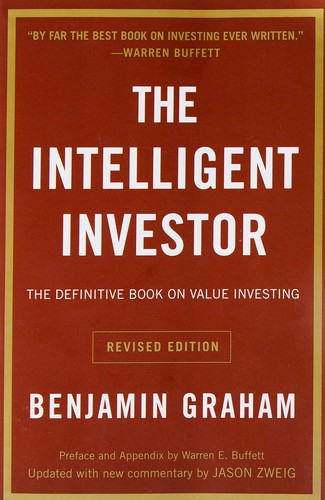
Talk to The Intelligent Investor like its author wrote you back.
Get the ideas that fit your life — not generic summaries.
- Chat with the book
- Audiobook-style main ideas
- Adapts to your life and goals
- Helps you take action
What it argues
The Intelligent Investor is Benjamin Graham's case that successful investing has less to do with picking the right stocks than with managing your own behavior. First published in 1949 and revised several times before Graham's death in 1976, it remains the foundational text of value investing — the approach that informed Warren Buffett, who studied under Graham at Columbia and called this book "by far the best book on investing ever written."
Graham's central distinction is between the investor and the speculator. A speculator bets on price movements. An investor analyzes the underlying business, buys at a price that offers a margin of safety, and holds through market noise. Most people who think they are investing are speculating. The book is largely an effort to help readers tell the difference in their own behavior.
What it gets right
- 1.
The market is a voting machine in the short run and a weighing machine in the long run. Price and value diverge constantly. The investor's edge is patience.
- 2.
Margin of safety is the central concept. Buy at a price significantly below your estimate of intrinsic value so that errors in your analysis don't ruin you.
- 3.
Mr. Market is your servant, not your guide. The market's daily mood swings are an opportunity to act, not a signal to follow.
What it covers
Who wrote it
Benjamin Graham (1894-1976) was a British-born American economist and professional investor who taught at Columbia Business School for nearly three decades. He is widely regarded as the father of value investing and security analysis. His earlier book, Security Analysis (1934), co-authored with David Dodd, became the standard text for professional analysts. Among his students was Warren Buffett, who worked at Graham's investment firm and later described Graham as the second most influential person in his life after his own father. Graham's framework — buying stocks at a discount to intrinsic value with a margin of safety — remains the intellectual foundation of disciplined…
