Talk to The Making of a Manager like its author wrote you back.
Get the ideas that fit your life — not generic summaries.
- Chat with the book
- Audiobook-style main ideas
- Adapts to your life and goals
- Helps you take action
The Making of a Manager, in detail
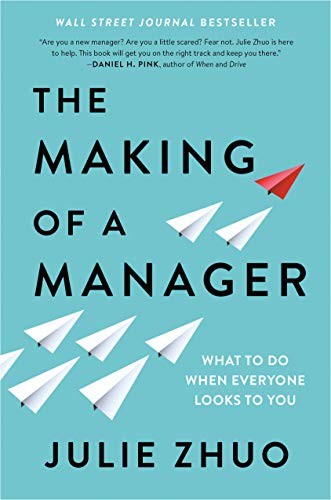
The Making of a Manager is Julie Zhuo's account of what it actually means to manage people, written from her experience going from individual contributor to VP of Design at Facebook in her twenties. The book is candid about the gap between what management looks like from the outside — making decisions, running meetings, setting direction — and what it actually demands, which is mostly helping other people do their best work.
Zhuo's central argument is that management is a skill, not a personality trait, and that the transition from peer to manager is consistently harder than new managers expect because none of the skills that made you good at your previous job are the skills you now need. The job of a manager, she says, is to get great outcomes from a team — and the levers for that are hiring the right people, setting clear expectations, giving honest feedback, and creating the conditions for growth.
The book is structured around the challenges Zhuo actually faced: giving feedback that lands, running meetings that don't waste everyone's time, hiring without letting bias drive the decision, managing people you didn't choose, and building enough trust that people tell you what's actually wrong. She's particularly good on the feedback problem — the tendency to soften criticism until the message disappears, and the slow damage that does to a team that doesn't know where it stands.
What distinguishes this book from most management literature is the honesty. Zhuo describes her early management years with genuine self-criticism, and the advice that follows is grounded in real failures rather than retrospective wisdom. It won't give you a complete theory of leadership, but for someone three to eighteen months into their first management role, it reads like an honest mentor sitting across the table.
The big ideas
- 1.
The manager's job is to get great outcomes from a team, not to do all the work yourself. Shifting to this mindset is the hardest part of the transition.
- 2.
Management is a skill that can be learned. Early struggles are normal and don't predict long-term performance.
- 3.
Feedback is the core tool of management. The most common failure is softening feedback until the message is lost — the person leaves thinking everything is fine.
