Talk to The Paris Library like its author wrote you back.
Get the ideas that fit your life — not generic summaries.
- Chat with the book
- Audiobook-style main ideas
- Adapts to your life and goals
- Helps you take action
What it argues
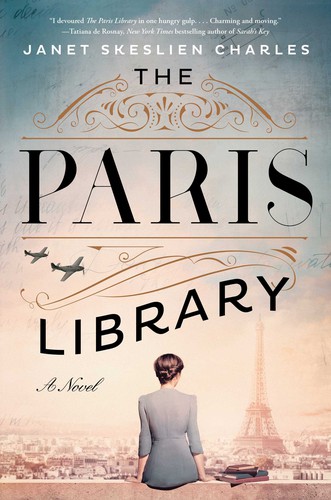
The Paris Library moves between two timelines: Paris in 1939–1944, where young Odile Souchet becomes a librarian at the American Library of Paris just as war is approaching; and rural Montana in the 1980s, where a teenage girl named Lily befriends her French neighbor, the now-elderly Odile, and slowly uncovers the history Odile has never spoken about. The novel is based on the real history of the American Library of Paris, which continued operating under German Occupation and delivered books to Jewish subscribers who were banned from public life.
The historical strand is the more powerful half. Charles spent years researching the library and the people who worked there, and that research is evident in the texture of daily life in Occupied Paris — the small negotiations, the fear, the moments of collaboration and cowardice alongside the genuine heroism. Odile is not a simple resistance figure. The novel is honest about the full range of choices people made, and about the cost of being found on the wrong side of moral history.
What it gets right
- 1.
The American Library of Paris really did operate under Occupation, and its librarians really did deliver books to Jewish subscribers. The historical core of this novel is true.
- 2.
Charles is interested in the difference between heroism and complicity, and the uncomfortable space in between where most people actually live during wartime.
- 3.
The dual timeline structure is a common device in historical fiction, and Charles uses it to draw parallels across generations without forcing them.
What it covers
Who wrote it
Janet Skeslien Charles is an American author who lived in Paris for many years and worked at the American Library of Paris — the same library at the center of this novel. Her debut novel Moonlight in Odessa was published in 2009. The Paris Library, her second novel, grew from her time at the library and her discovery of its wartime history. She has an MFA in creative writing from the University of Montana. Her work sits at the intersection of historical research and intimate character study.
