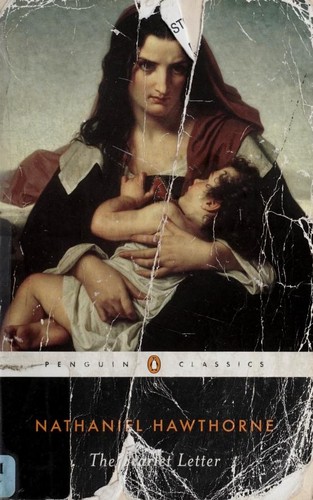
Talk to The Scarlet Letter like its author wrote you back.
Get the ideas that fit your life — not generic summaries.
- Chat with the book
- Audiobook-style main ideas
- Adapts to your life and goals
- Helps you take action
What it argues
The Scarlet Letter is set in Puritan Boston in the 1640s and opens with Hester Prynne, a young woman who has given birth to a child while her husband is absent, being released from prison into the public square. She will wear a scarlet letter "A" on her chest for the rest of her life — a mark of adultery, meant to define and shame her. She accepts it, and over time she transforms the letter from a symbol of disgrace into something else entirely.
The novel's central dramatic situation is actually less about Hester than about the other figures caught in the same moral knot: Arthur Dimmesdale, the young minister who is the child's father and who cannot bring himself to confess; and Roger Chillingworth, Hester's long-absent husband, who arrives in Boston and makes it his purpose to expose Dimmesdale through psychological torment. The three of them are locked in a strange closed triangle — shame, guilt, and revenge — and Hawthorne is interested in what each of those positions costs the person who holds it.
What it gets right
- 1.
Hester Prynne is more fully realized than many of the female protagonists of later American fiction — she endures public shame without being broken by it, and she forms her own moral code independent of the community that condemned her.
- 2.
Dimmesdale's hidden guilt is shown to be far more destructive than Hester's public shame. Hawthorne suggests that unexpressed guilt corrodes the self in ways that punishment doesn't.
- 3.
Chillingworth's transformation from a cold intellectual to an instrument of revenge is the novel's darkest argument: that vengeance destroys the person who pursues it as thoroughly as the person who receives it.
What it covers
Who wrote it
Nathaniel Hawthorne (1804–1864) was an American novelist and short story writer born in Salem, Massachusetts. His Puritan ancestry — which included a judge in the Salem witch trials — shaped his preoccupation with sin, guilt, and moral inheritance. His major works include The Scarlet Letter, The House of the Seven Gables, The Blithedale Romance, and the story collections Twice-Told Tales and Mosses from an Old Manse. He was a close friend of Herman Melville, who dedicated Moby-Dick to him.
